Jade & Hardstone
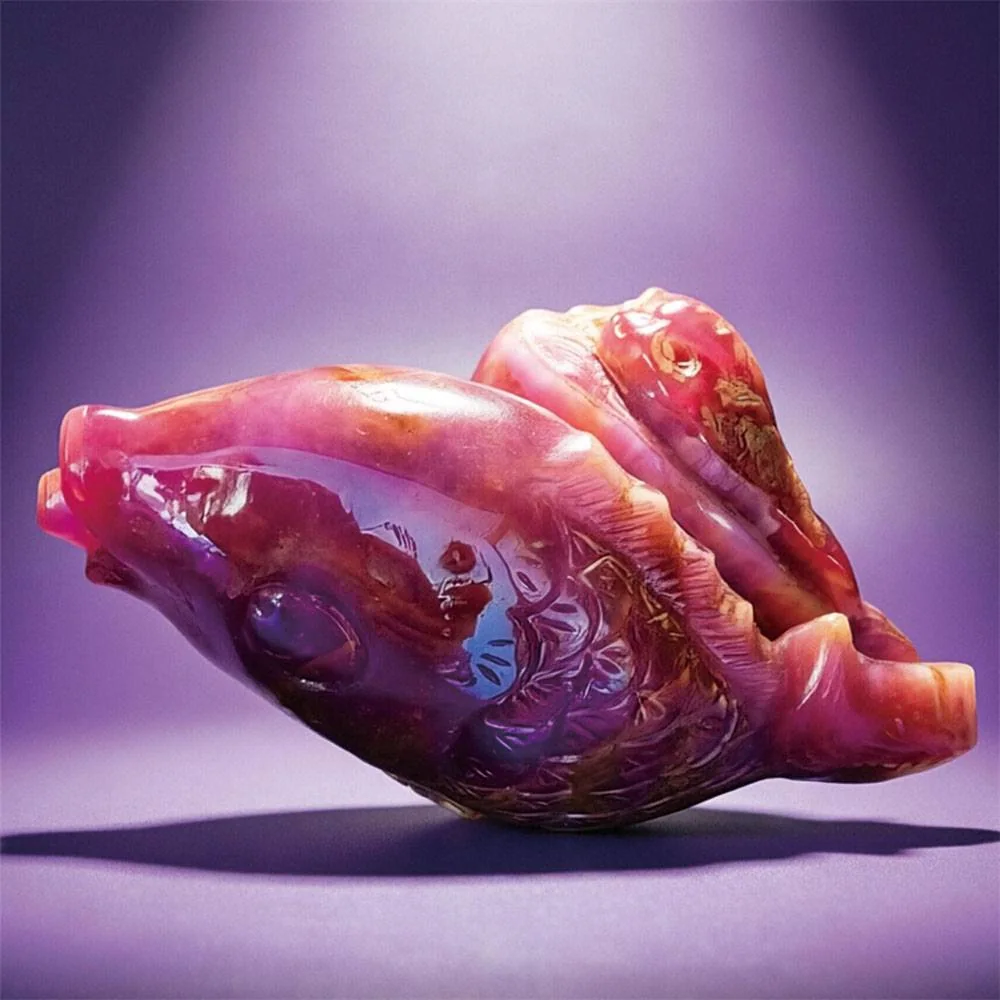
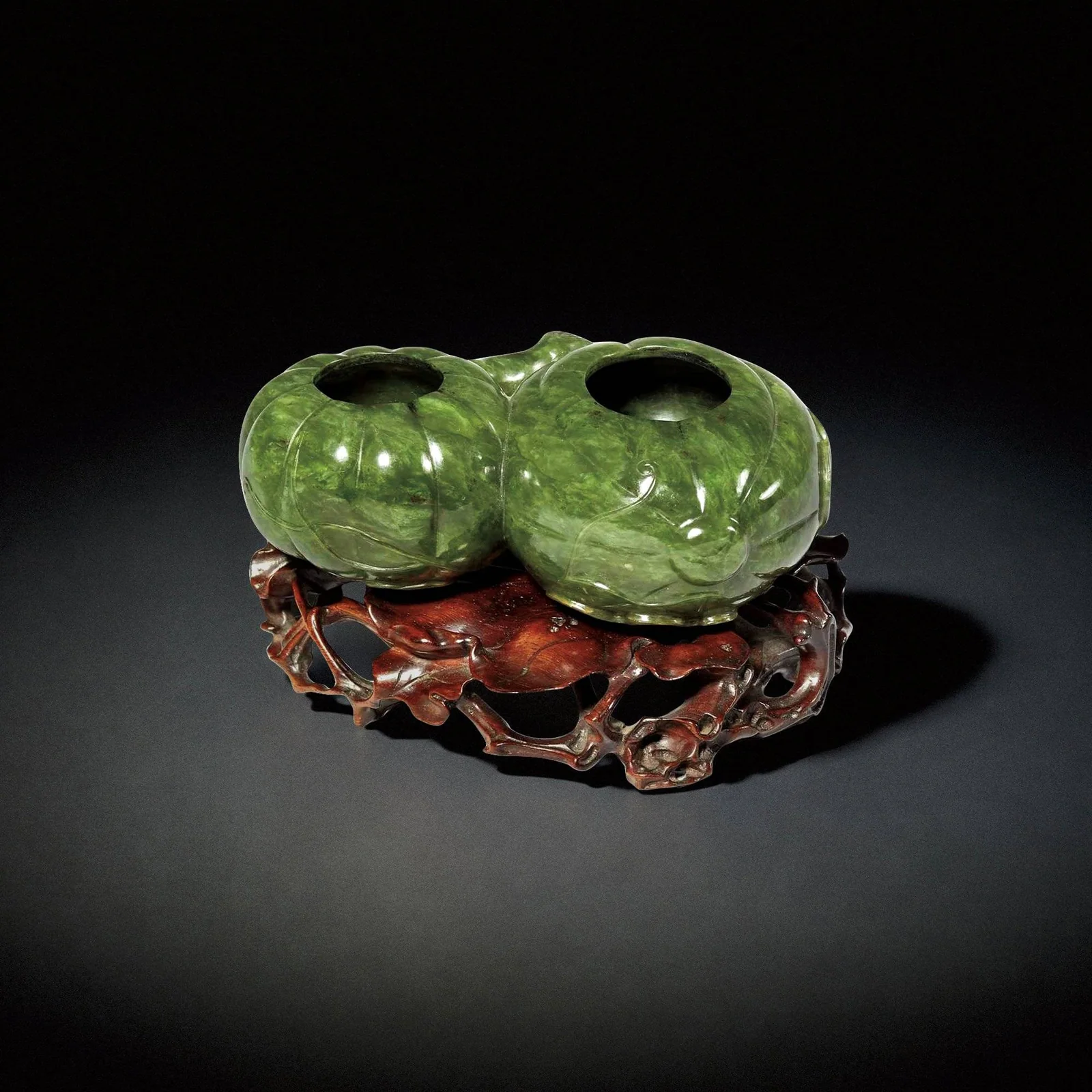
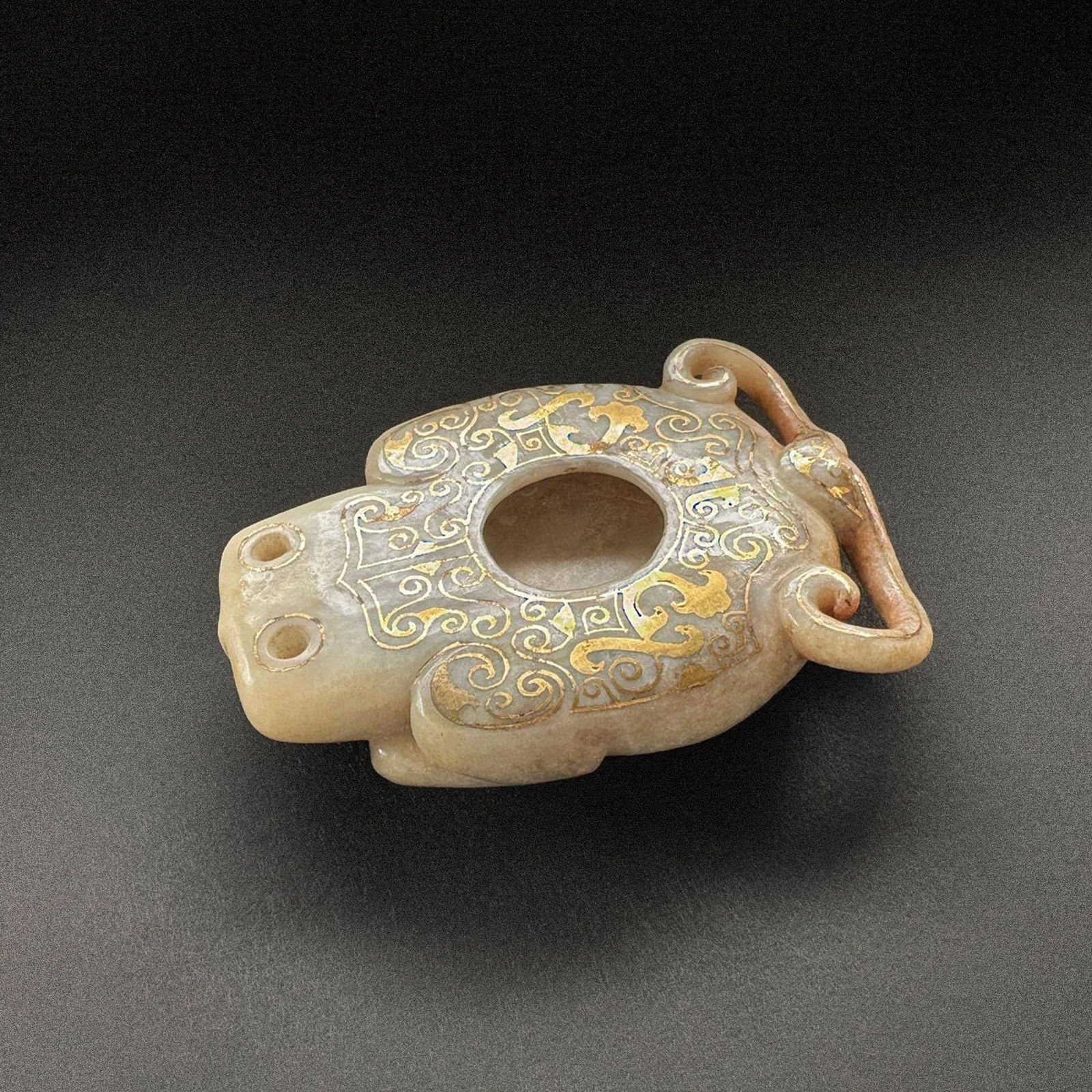
Jade collecting follows two great traditions. Archaic jade — Hongshan animal figures, Han dynasty beasts and cicadas — is judged on the warmth of the stone, the natural layering of patina, and tool marks. Ming and Qing white jade favours Suzhou and Qianlong-period carving. Among seal stones, Tianhuang ranks first.
Reviewed by the Heritage Global specialist team · Updated 2026-10
Chronology
From early wares to the modern market — the eras that define this category.
Neolithic — Hongshan and Liangzhu
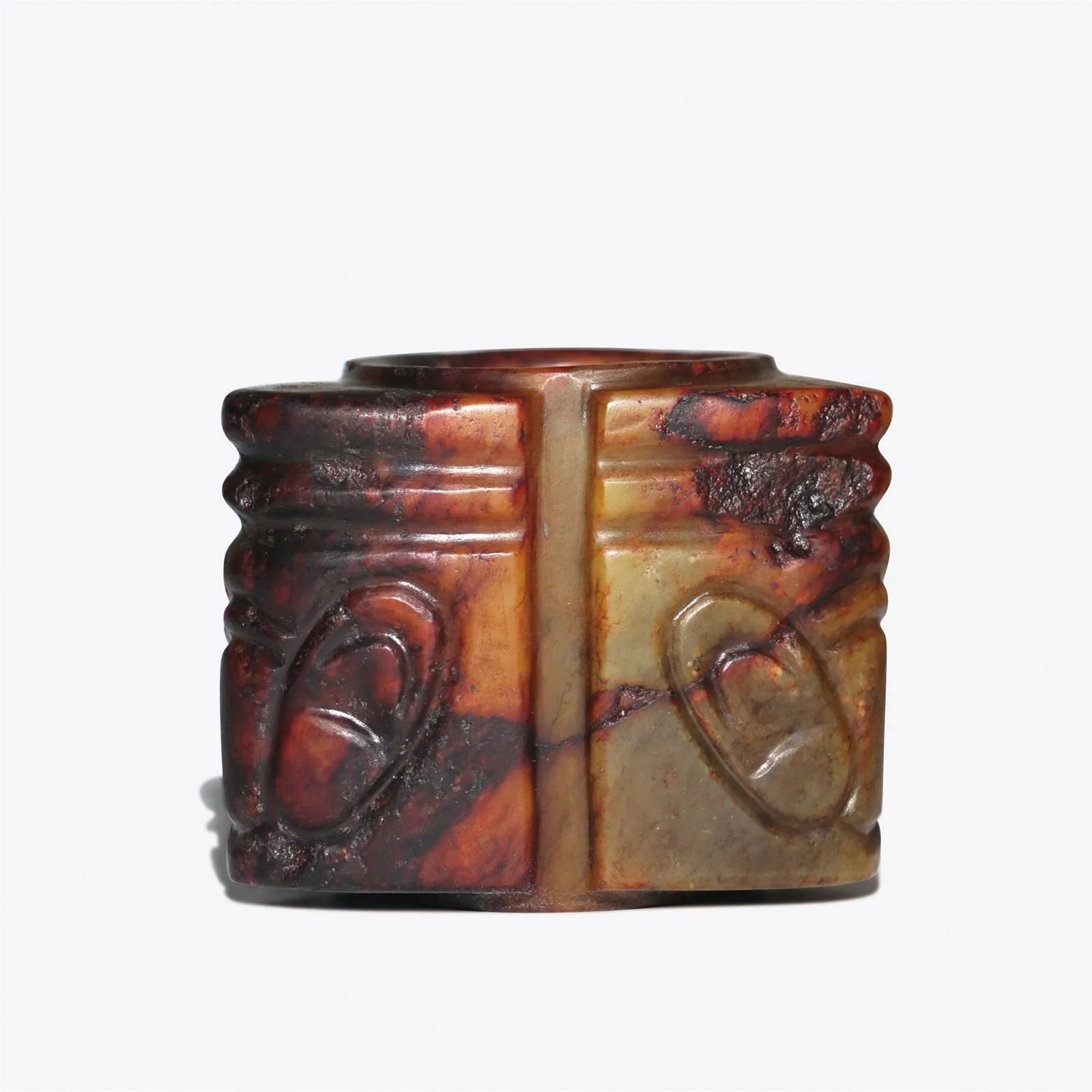
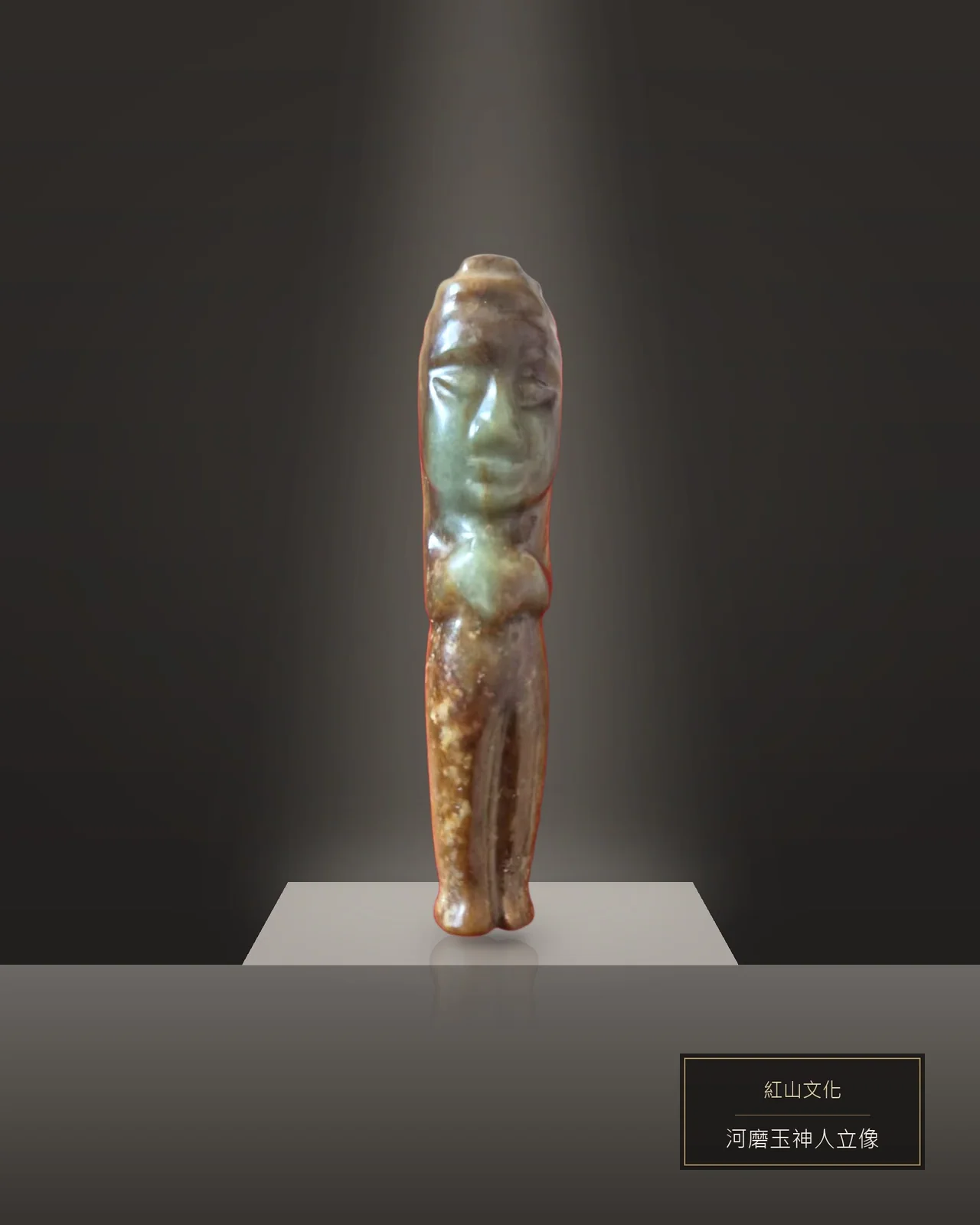
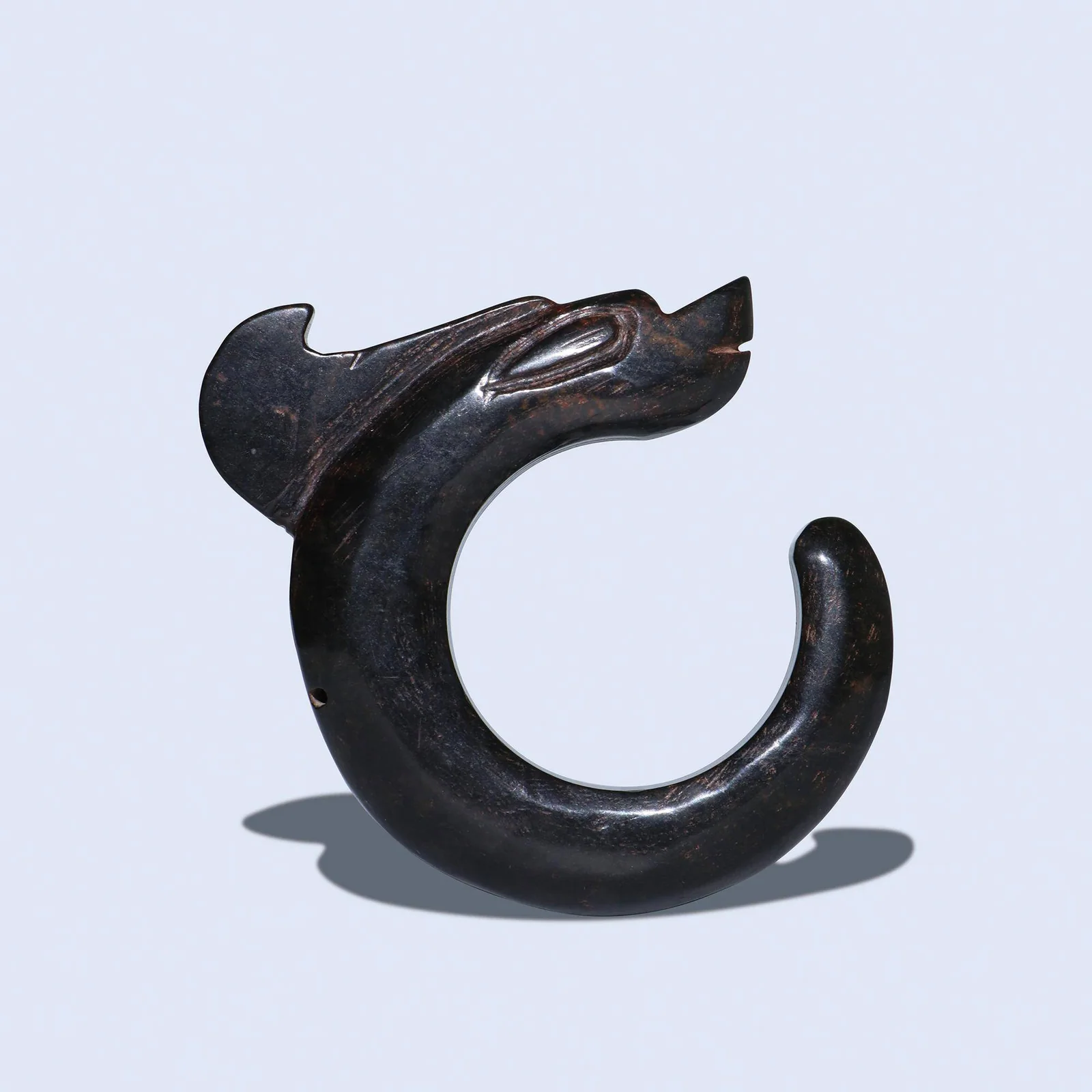
Hongshan dragons, cicadas and figures achieve the sacred through economy of line and bored perforations; Liangzhu cong carvings mark the apex of prehistoric craft.
Shang and Zhou — ritual jade
Jade entered ritual: the Six Tablets honoured heaven, earth and the quarters, while pendant sets marked rank; most stones are local nephrites predating Hetian jade.
Han — the eight-cut
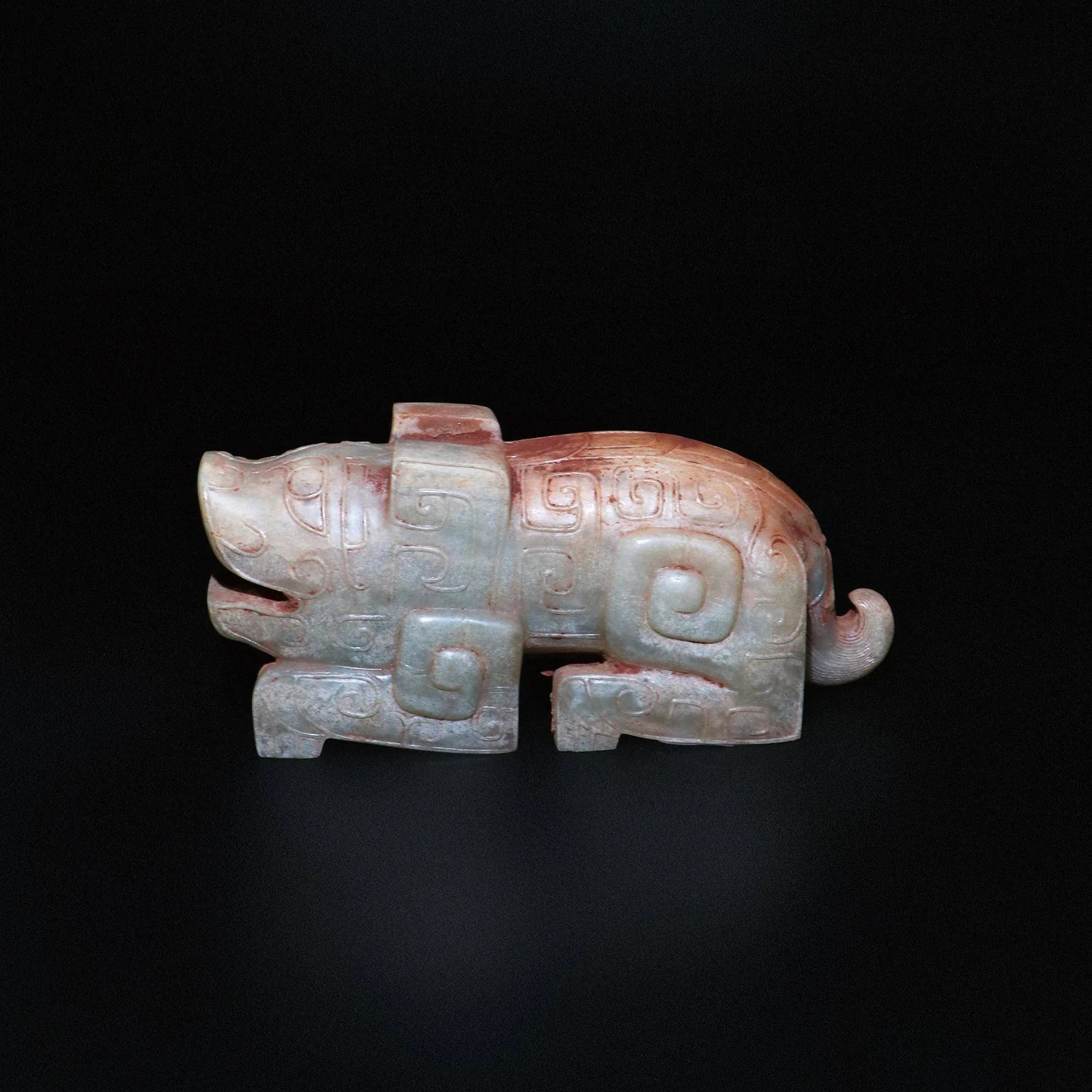
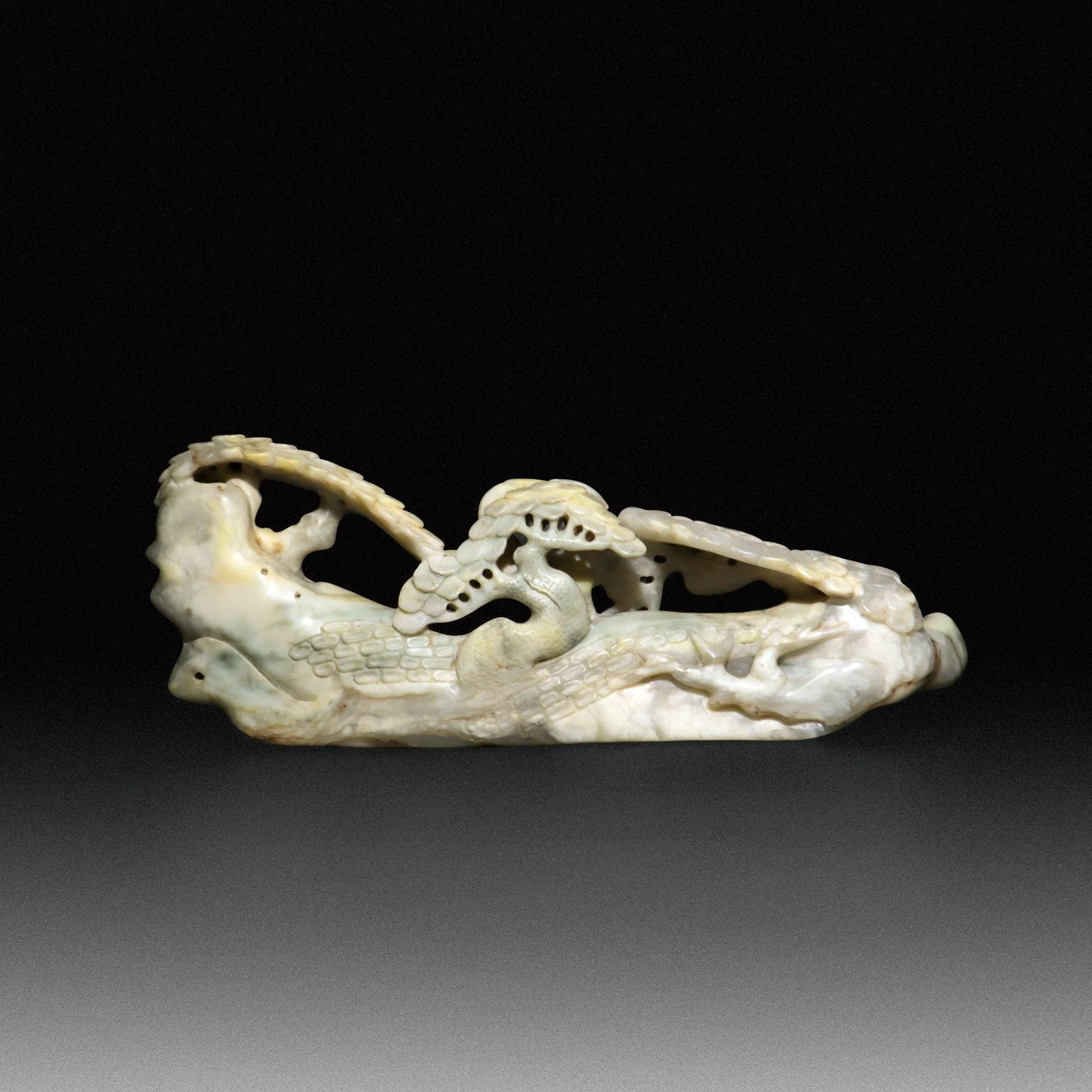
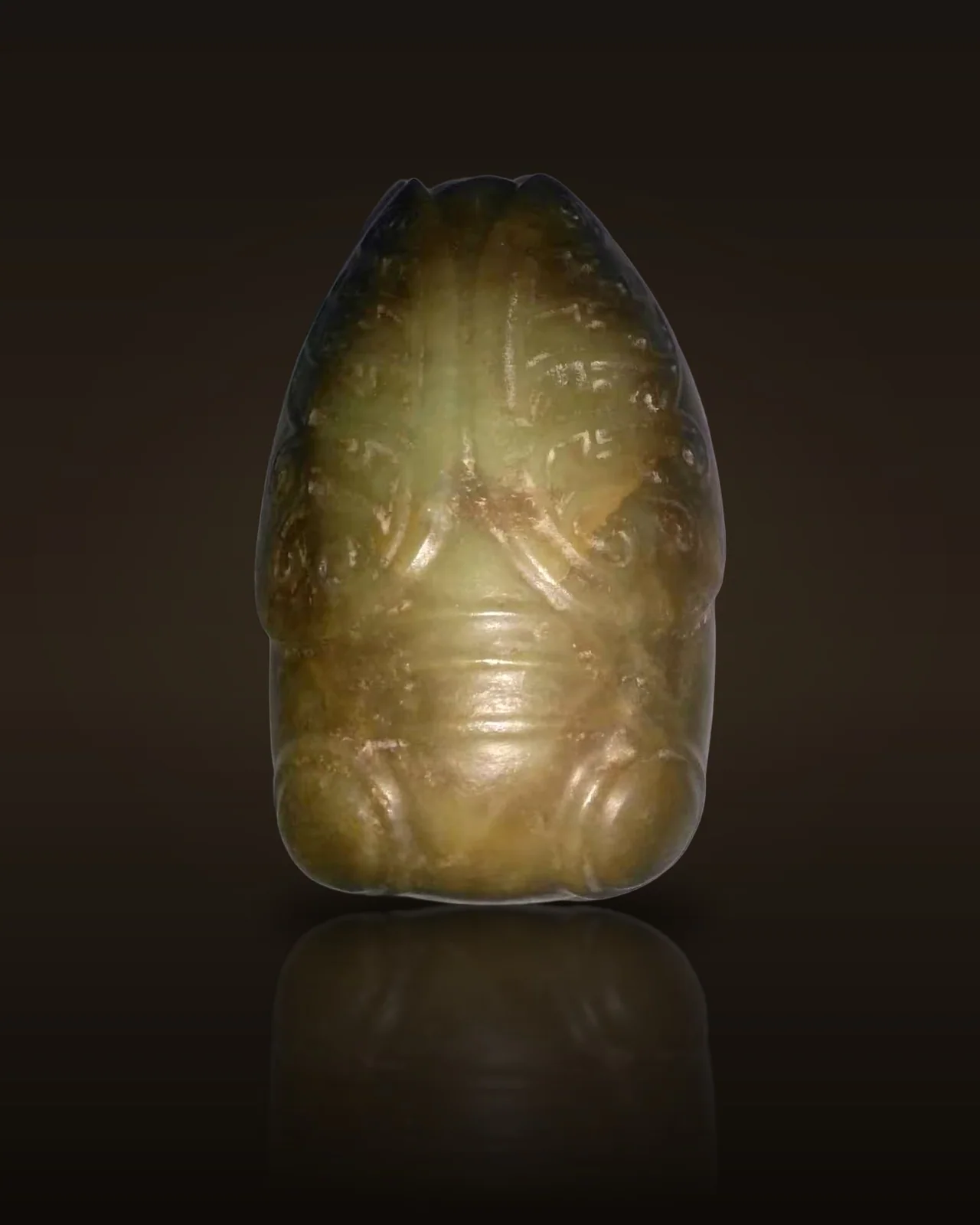
The famed 'Han eight-cut' renders a cicada in a few strokes, placed in the mouth for rebirth; auspicious beasts — as with our yellow-jade creature and figure — form one of the era's twin lineages.
Song to Ming — archaism and adornment
Literati taste for the antique spurred archaistic carving; the Ming scaled production and made jade tablets fashionable.
Qing — the Qianlong style
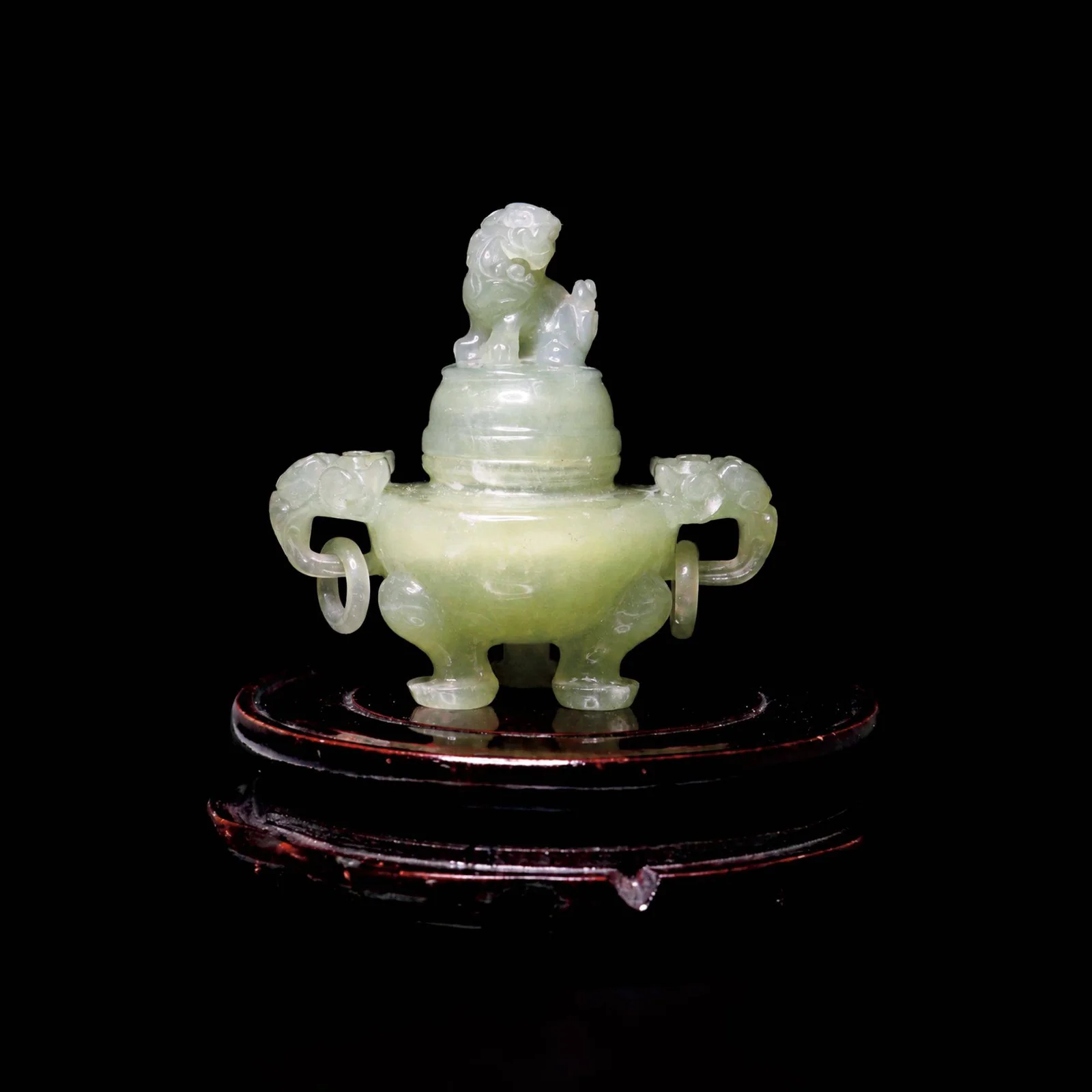
Imperial workshops perfected openwork, thin walls and gilding — 'Qianlong work' remains a byword for virtuosity, enriched by Hindustan thin-wares presented as tribute.
Masters & Workshops
The names, ateliers and schools that anchor authentication and value.
Lu Zigang
The celebrated Ming Suzhou carver who set poetry and landscape into jade tablets; the 'Zigang tablet' became the generic form — genuine marks are rare and much copied.
The Imperial Jade Workshop
Qing court ateliers drew masters from Suzhou and Yangzhou, designs fixed by palace painters — the institutional division behind 'Qianlong work'.
Tianhuang, the 'Emperor of Stones'
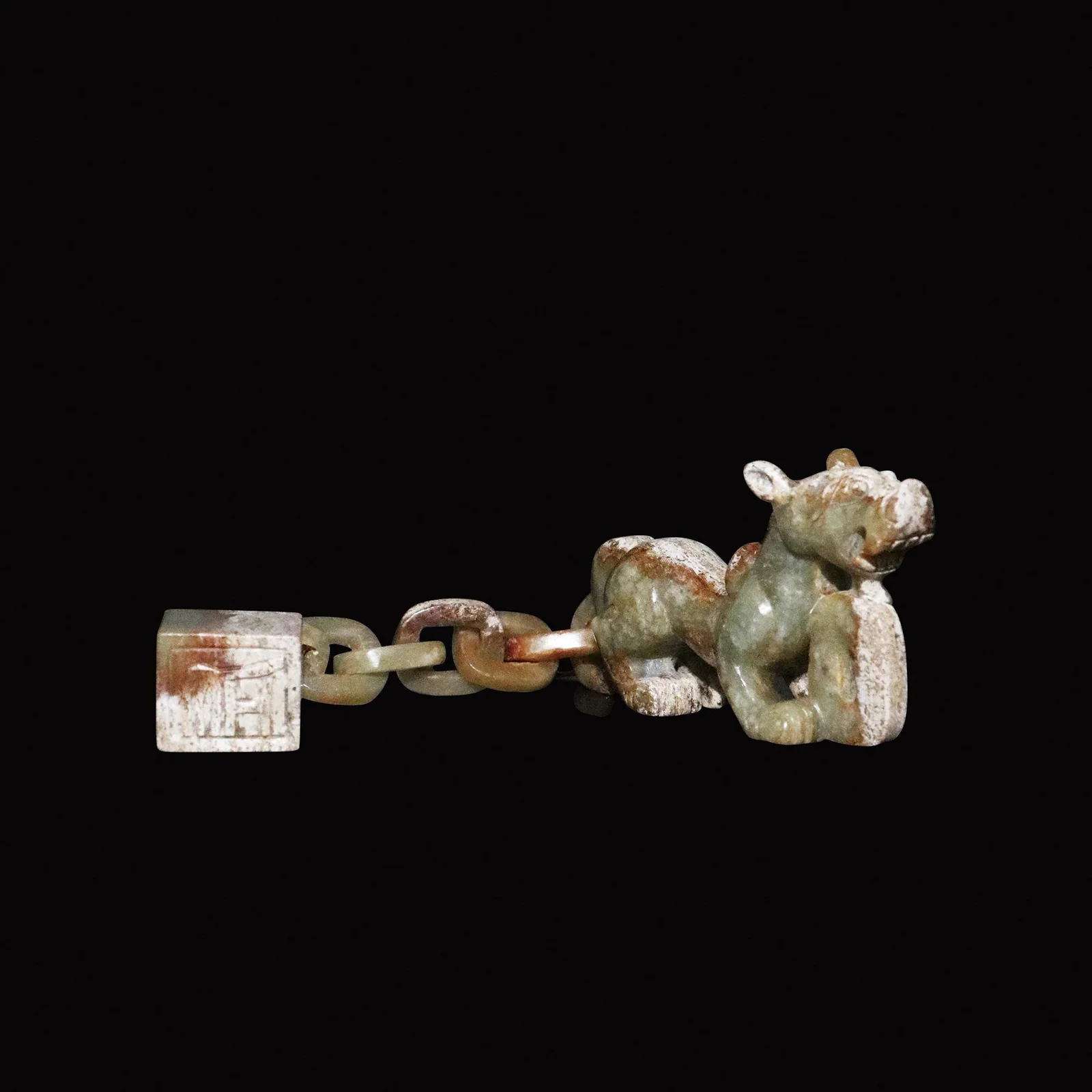
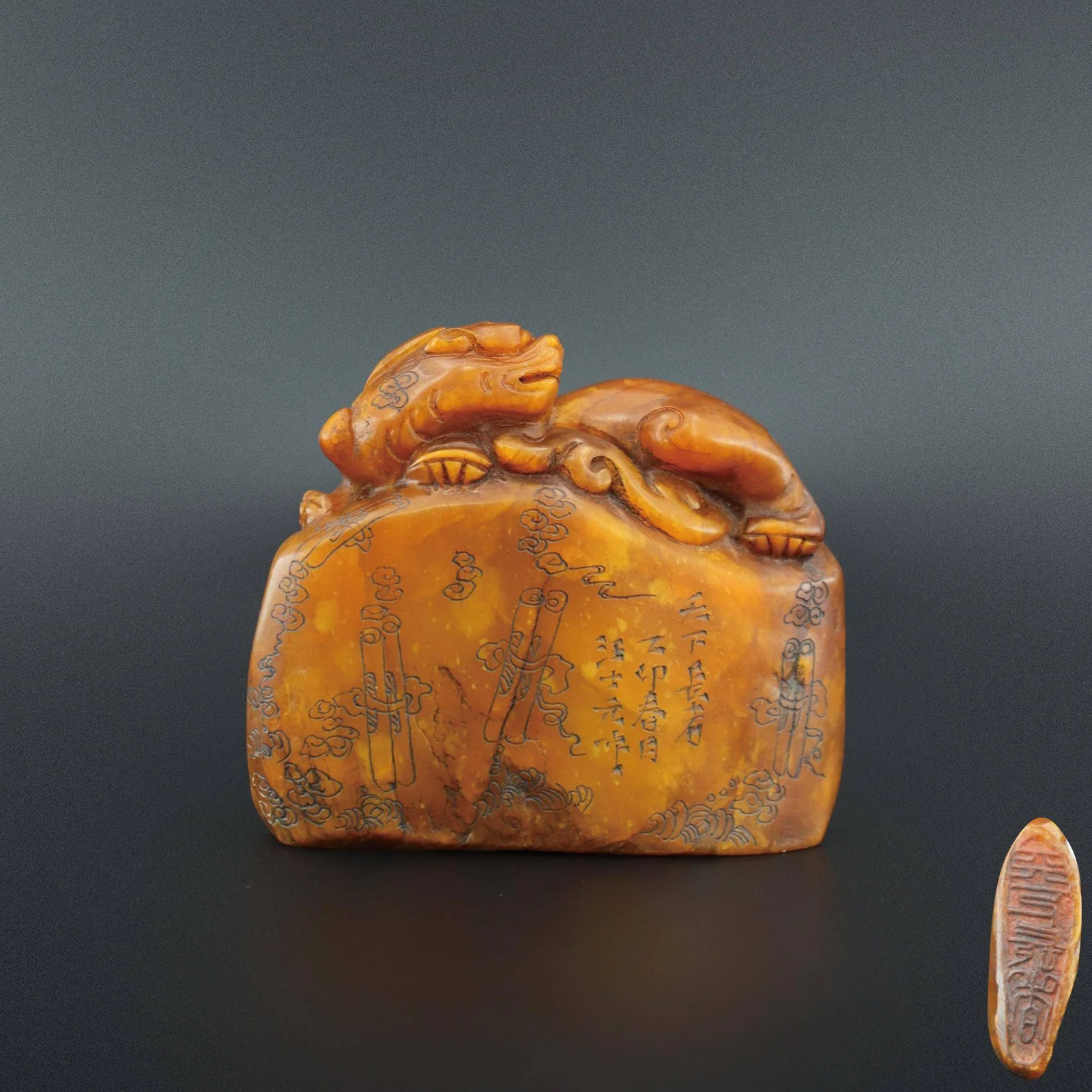
Found only in one paddy field at Shoushan, Fuzhou; already proverbially dear by the Qing, its primacy among seal stones was sealed by the legendary three-link seals of Qianlong.
Frequently Asked
How is archaic jade authenticated?
Natural patination penetrating the stone, fluent tool marks, drill-channel abrasion, and the degree of ageing — items failing these tests are questionable.
What do jade cicadas and figures signify?
Cicadas symbolise rebirth and were often mouth-amulets; Hongshan figures are ritual objects of great rarity and value.
How do I consign jade?
Send six or more photographs covering front, sides, back and details; after appraisal and a reference estimate, we proceed to promotion.
Ready to consign?
Send six or more photographs for an expert opinion and a reference estimate in HKD.