Chinese Paintings & Calligraphy
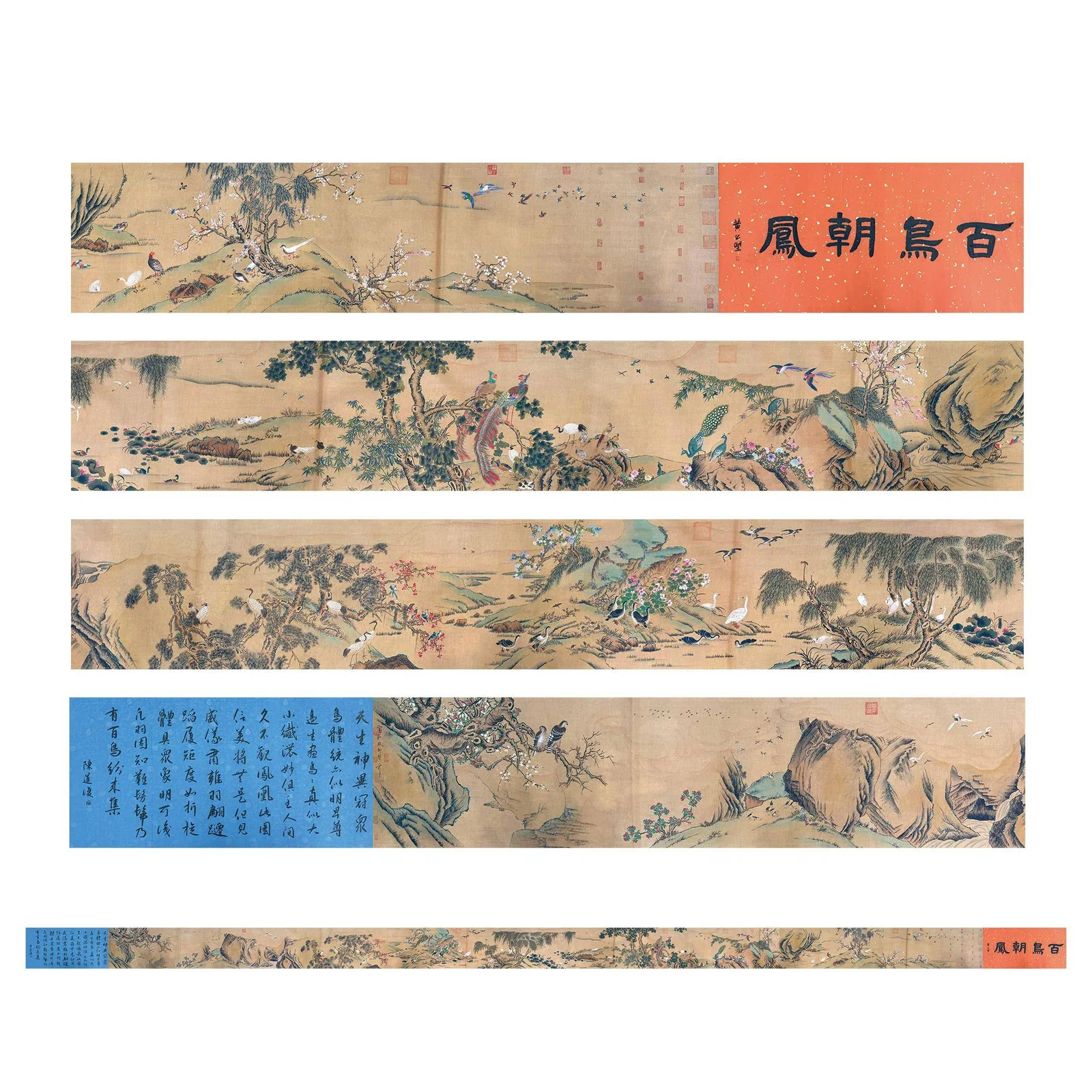
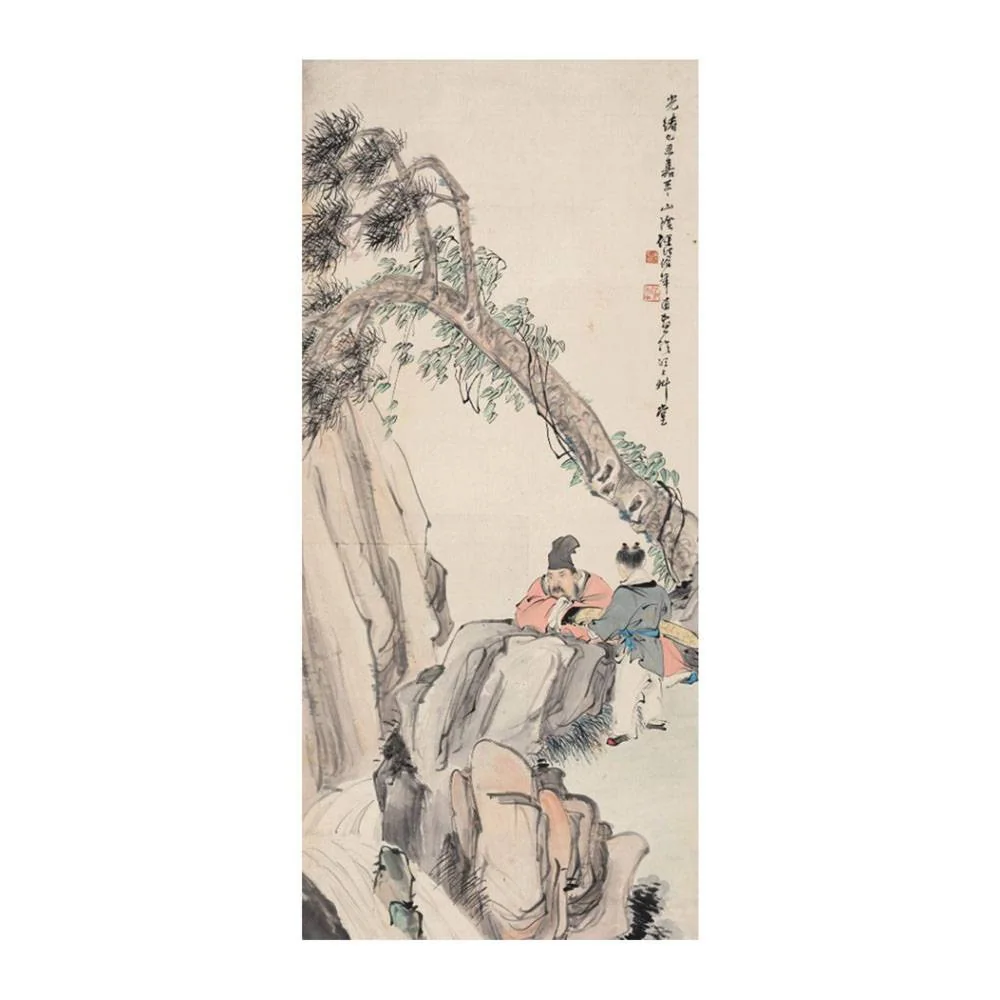
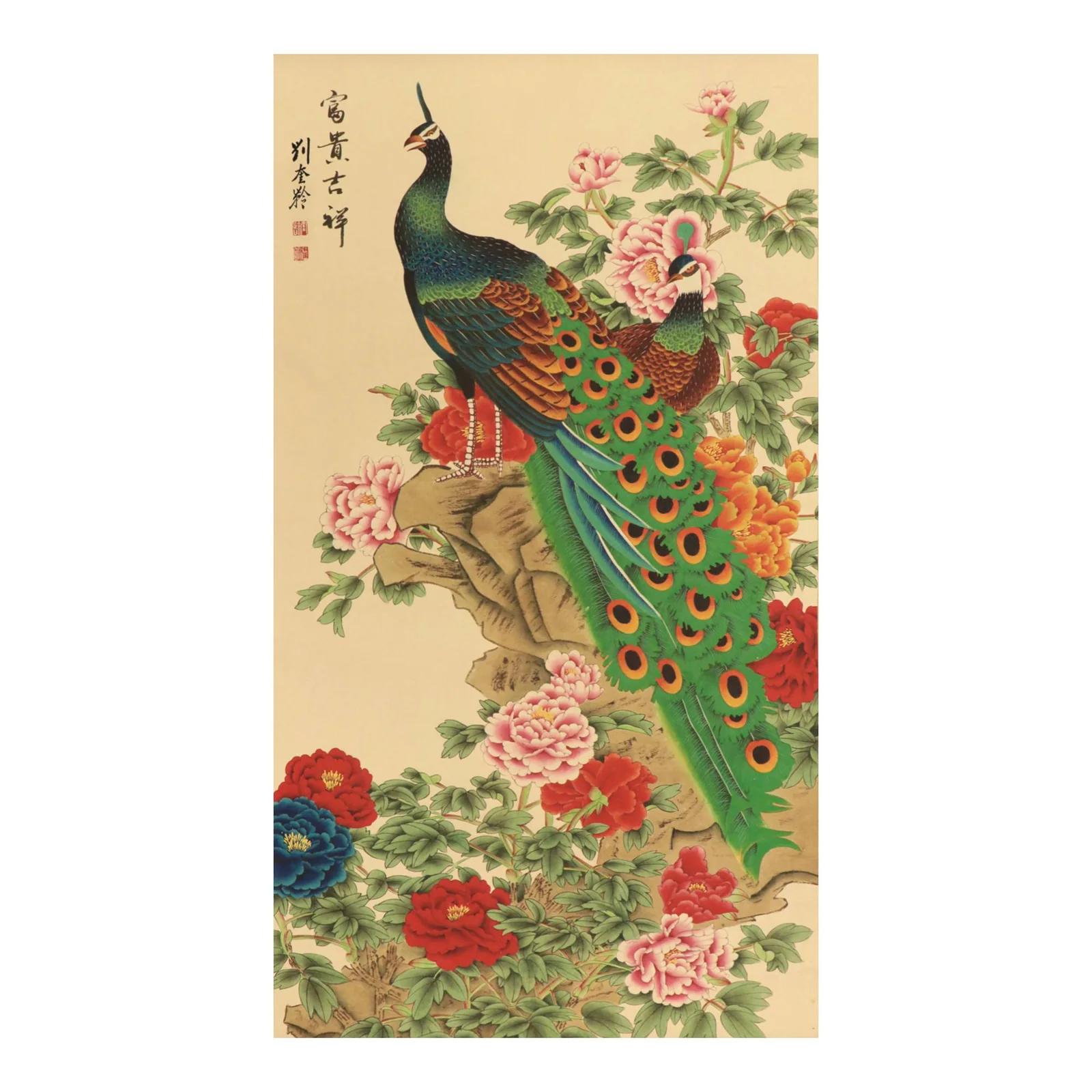
The value of a Chinese painting is determined by brushwork, inscriptions and seals, mounting, provenance, and subject. Works with clear publication records or colophons by celebrated figures perform especially well.
Reviewed by the Heritage Global specialist team · Updated 2026-10
Chronology
From early wares to the modern market — the eras that define this category.
Tang–Song — verisimilitude
Fan Kuan's monumental landscapes and Emperor Huizong's refined realism defined 'painting the true'; Song album leaves and handscrolls remain auction showpieces.
Yuan — the literati turn
The Four Masters (Huang Gongwang, Wu Zhen, Ni Zan, Wang Meng) prized spirit over likeness; the 'Fuchun Mountains' scroll stands as the model.
Ming — schools flourish
The Zhe school's vigour beside the elegance of Shen Zhou, Wen Zhengming, Tang Yin and Qiu Ying, while Dong Qichang's theory framed criticism for three centuries.
Qing — Orthodox and Individualist
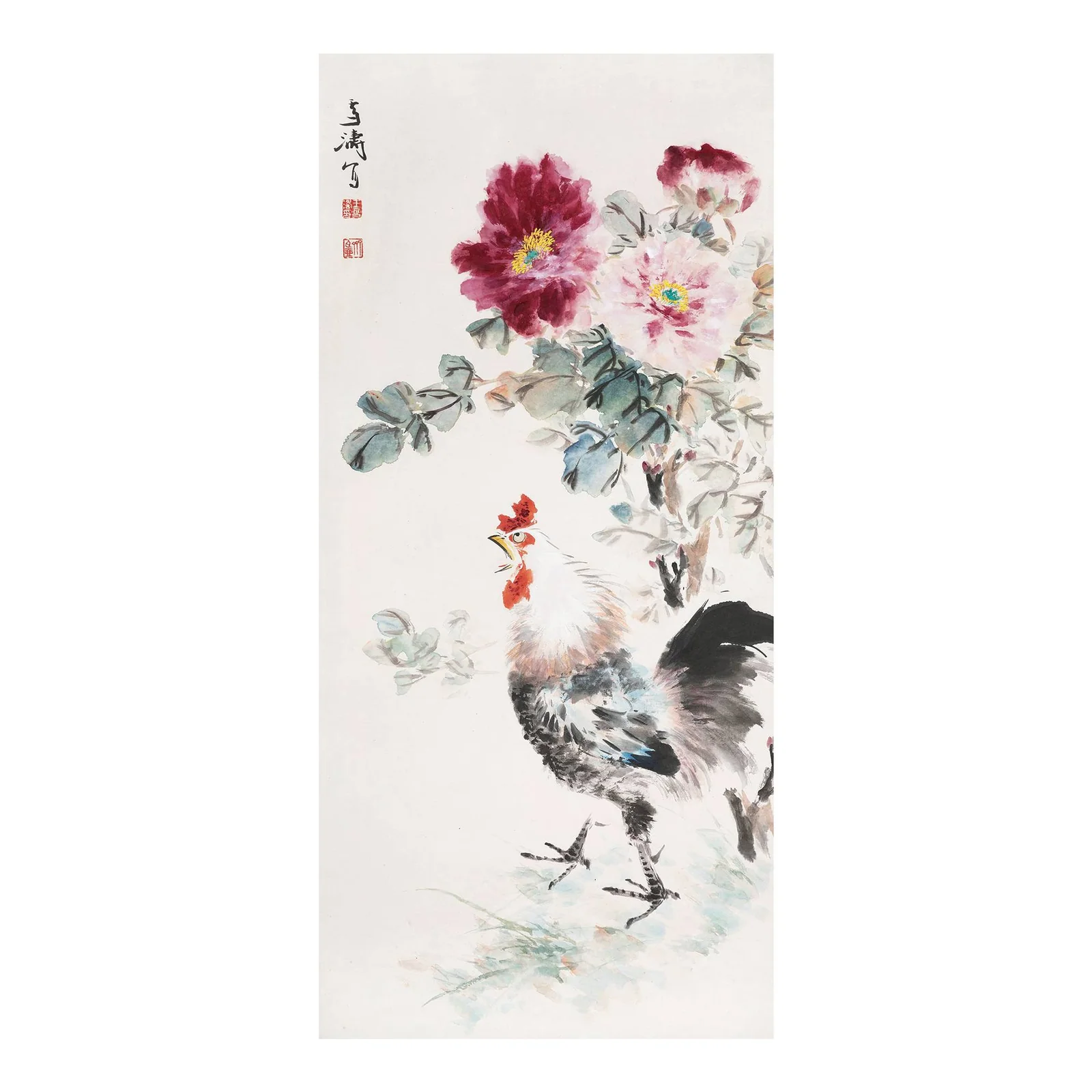
The Four Wangs systematised the ancients; Bada Shanren and Shitao forged the personal; the Yangzhou Eccentrics brought epigraphic flavour to bird-and-flower.
Modern — Shanghai and beyond
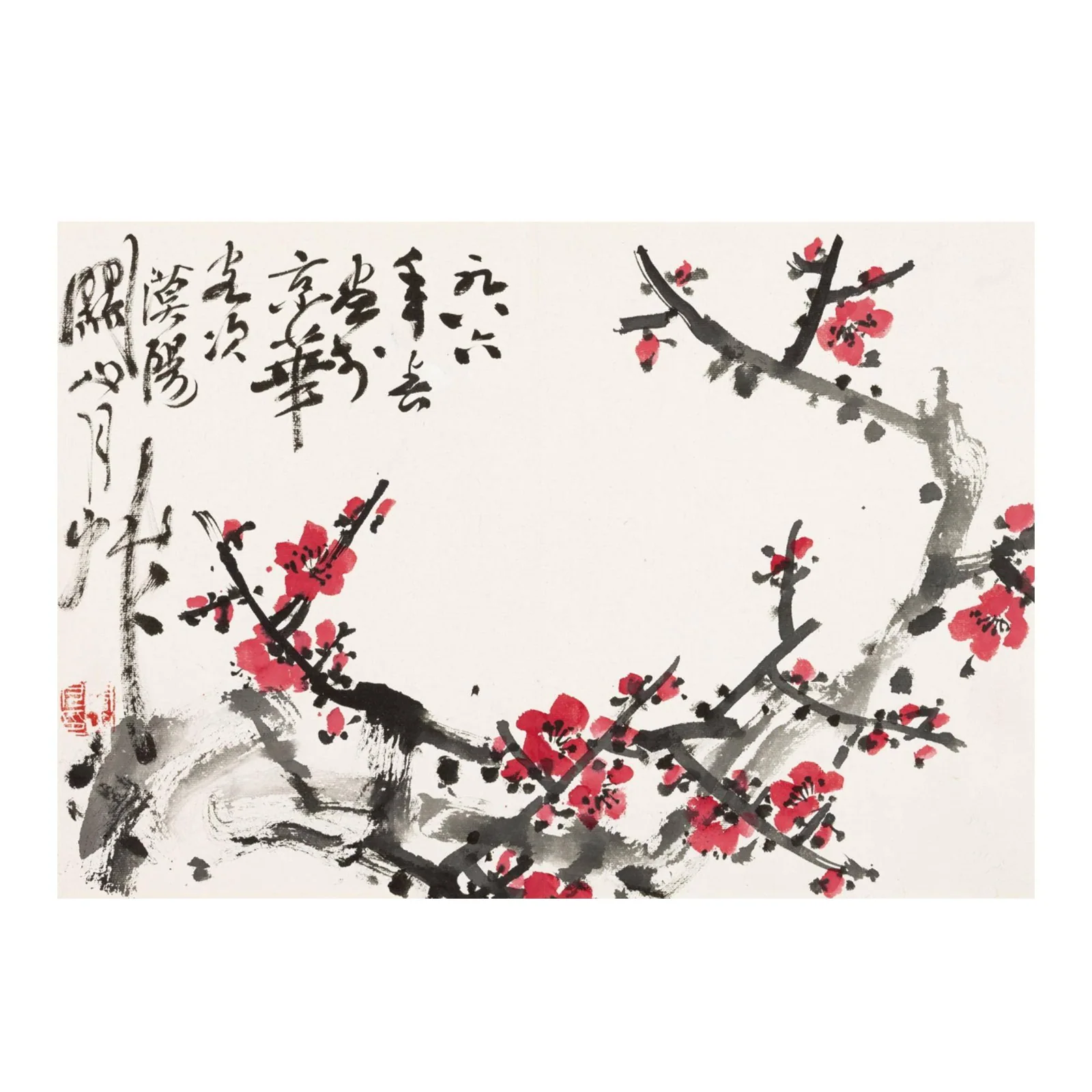
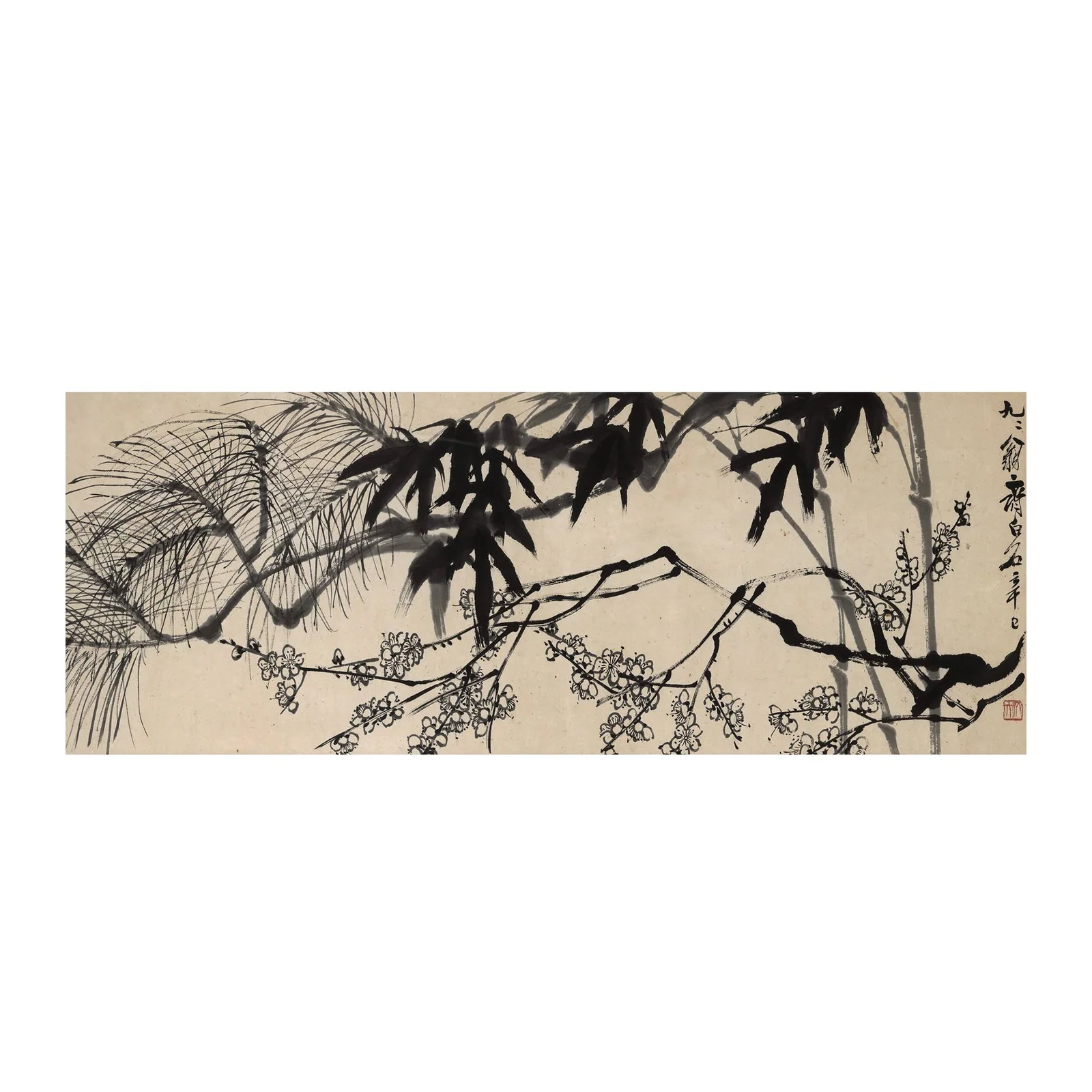
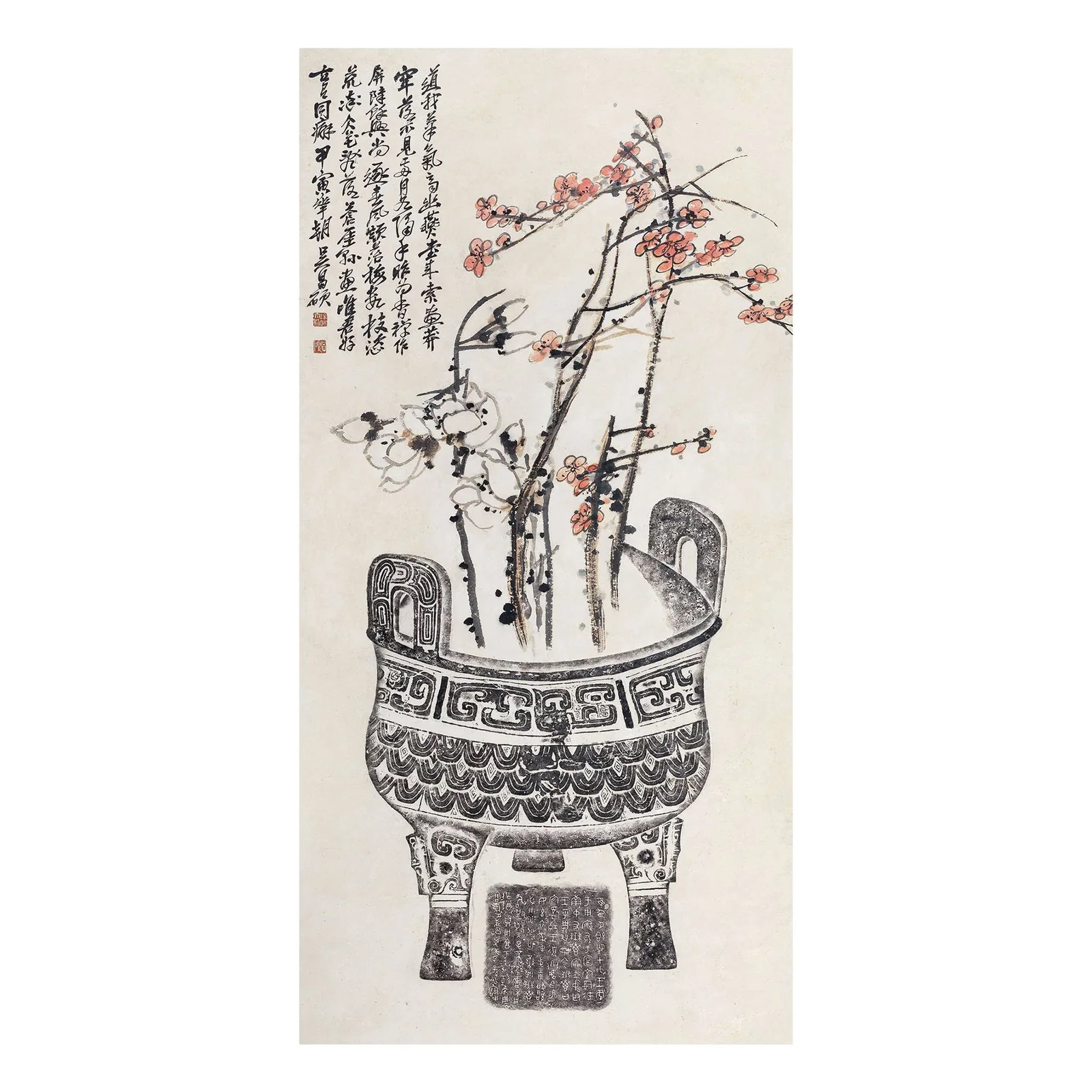
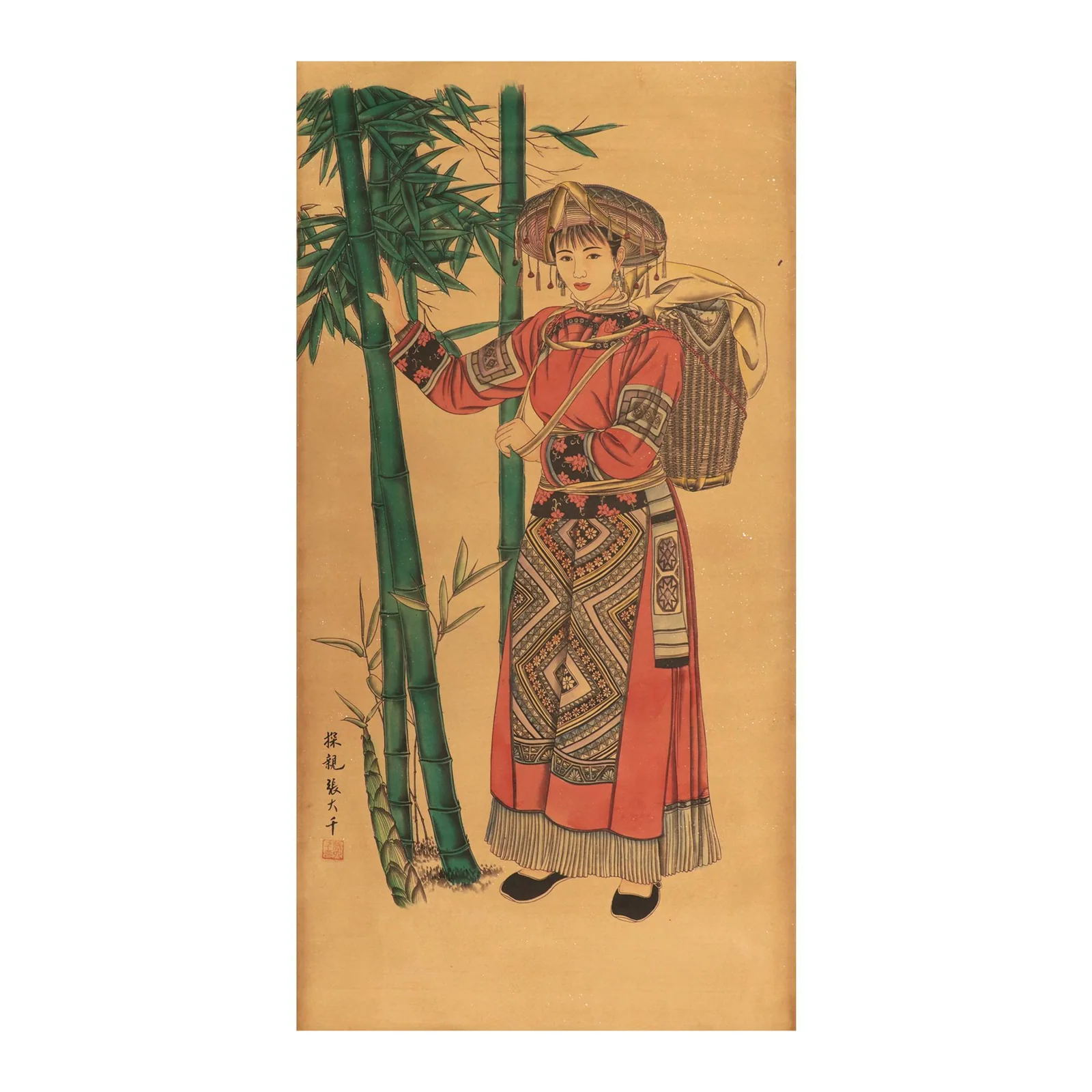
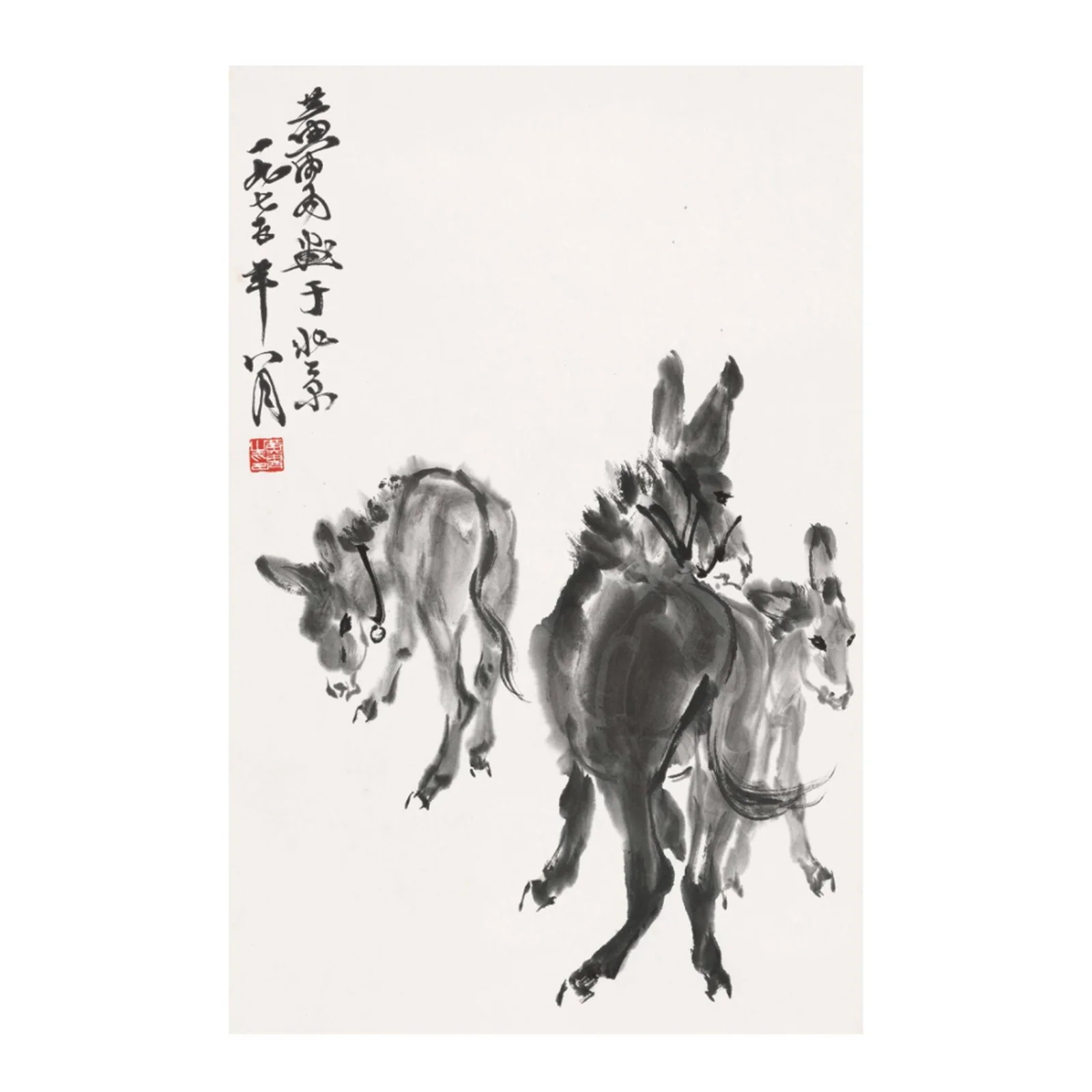
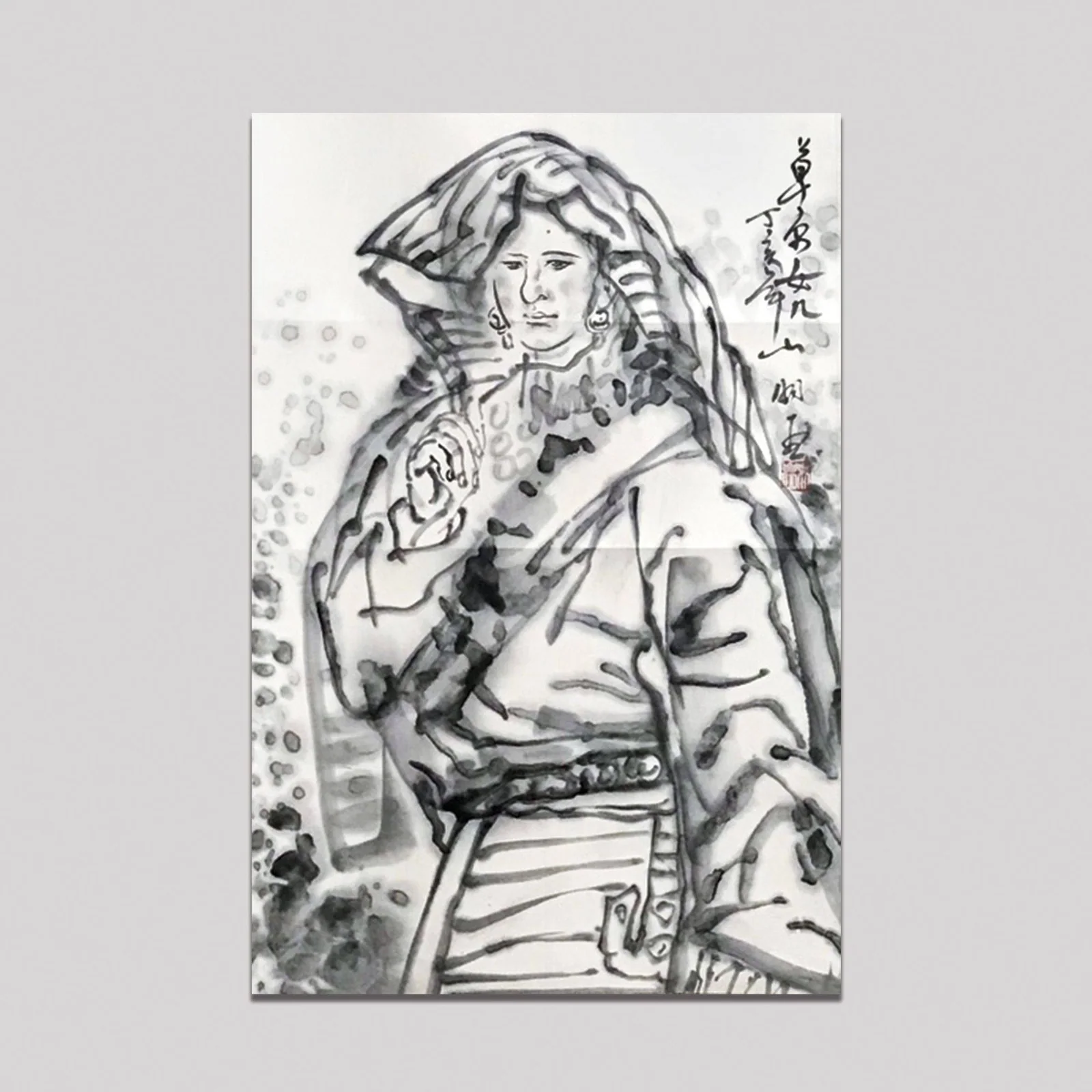
Wu Changshuo's epigraphic intensity, Qi Baishi's late transformation, Zhang Daqian's splashed colour, Fu Baoshi and Li Keran each founding manners — modern painting is today the deepest market.
Masters & Workshops
The names, ateliers and schools that anchor authentication and value.
Dong Qichang
Late-Ming arbiter of taste; his 'Southern School' theory canonised literati painting, and his colophons and seals remain certificates of trust.
Wu Changshuo
Brought stone-drum script into painting, fusing epigraphic force with rich colour and founding the Shanghai school of grand freehand brushwork.
Qi Baishi
A former carpenter whose late style paired microscopically fine insects with bold washes; among the most recognised and traded modern names.
Zhang Daqian
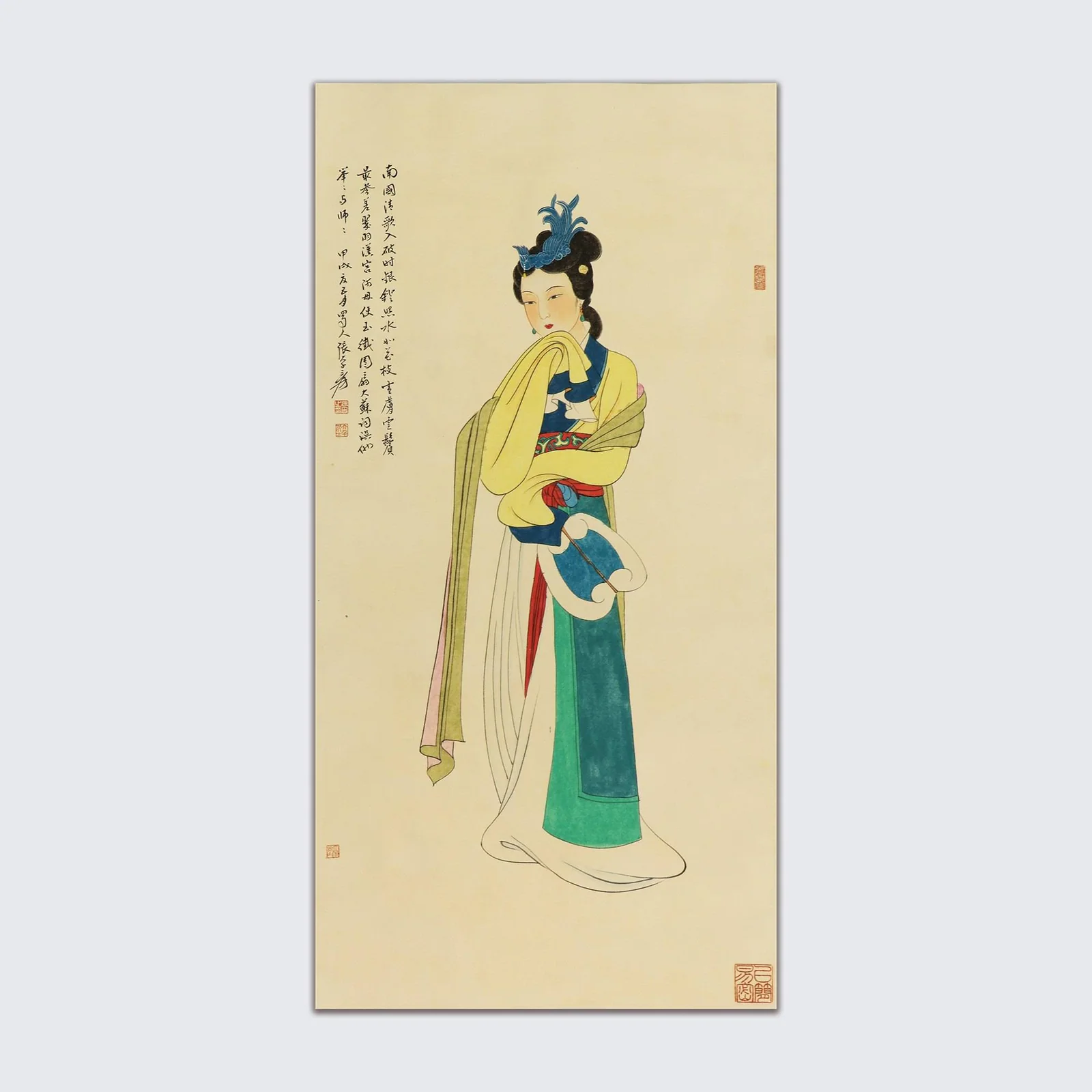
From consummate interpreter of the old masters to splashed-colour innovator; internationally the most bankable modern Chinese painter.
Frequently Asked
How is a painting authenticated?
By the entry and exit of the brush, layering of ink, seal paste and carving, colophons and records — and by the age of the paper or silk.
Can an unsigned work be consigned?
Yes. Works with a distinct style or period mounting still hold promotional value; our specialists judge on stylistic grounds.
How should paintings be stored?
Away from light, damp and folding — in a roll or flat in a frame, avoiding direct sunlight if hung.
Ready to consign?
Send six or more photographs for an expert opinion and a reference estimate in HKD.