Porcelain & Ceramics
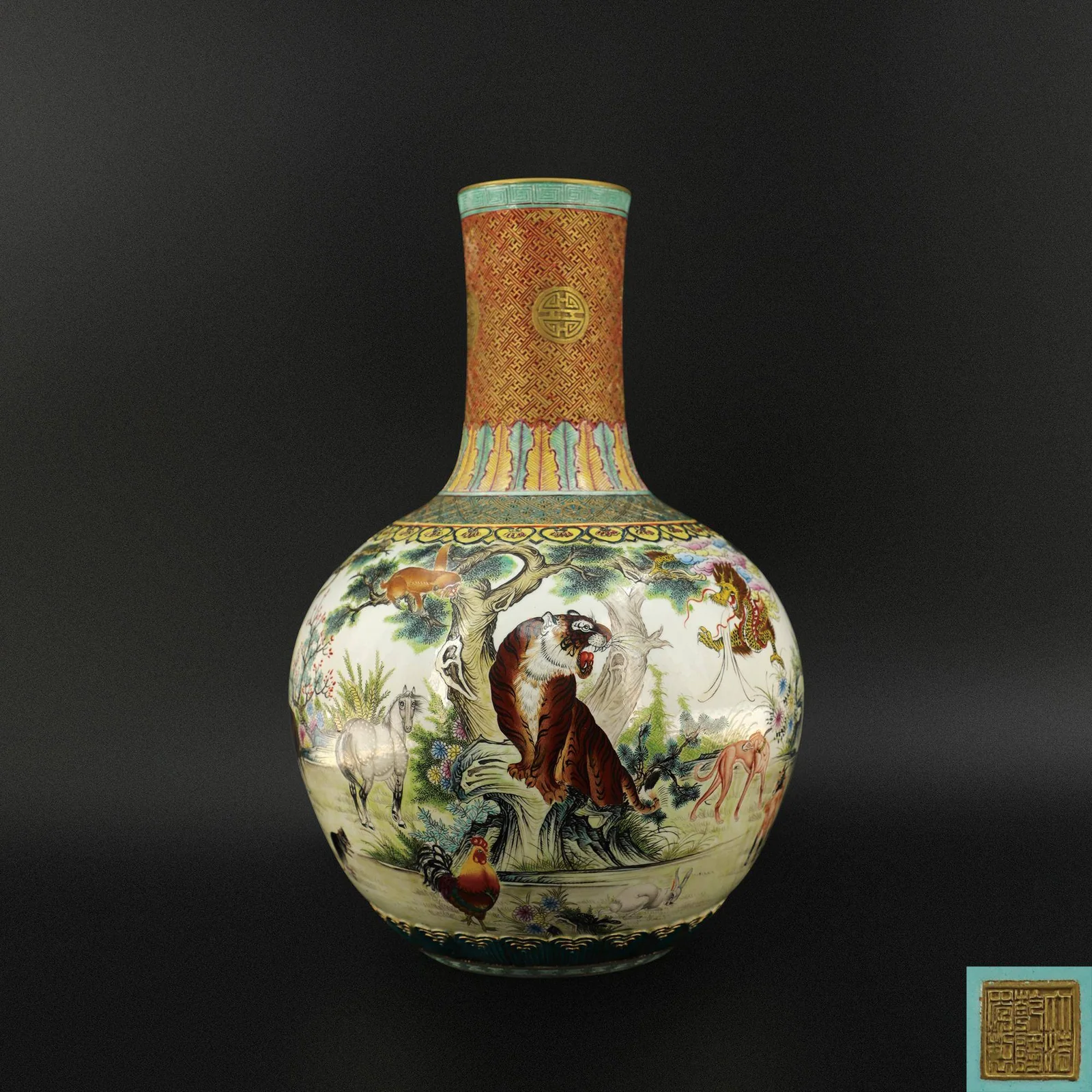
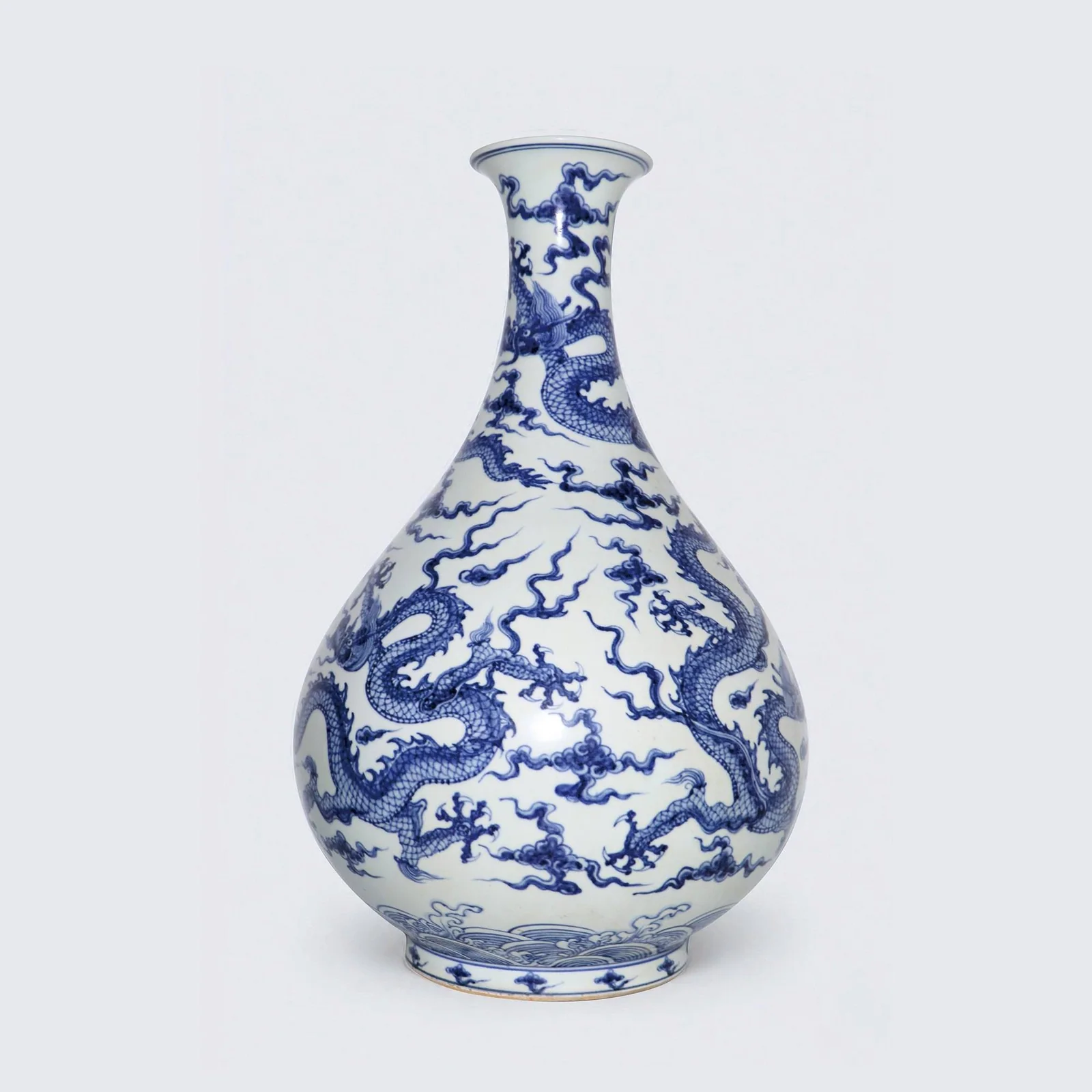
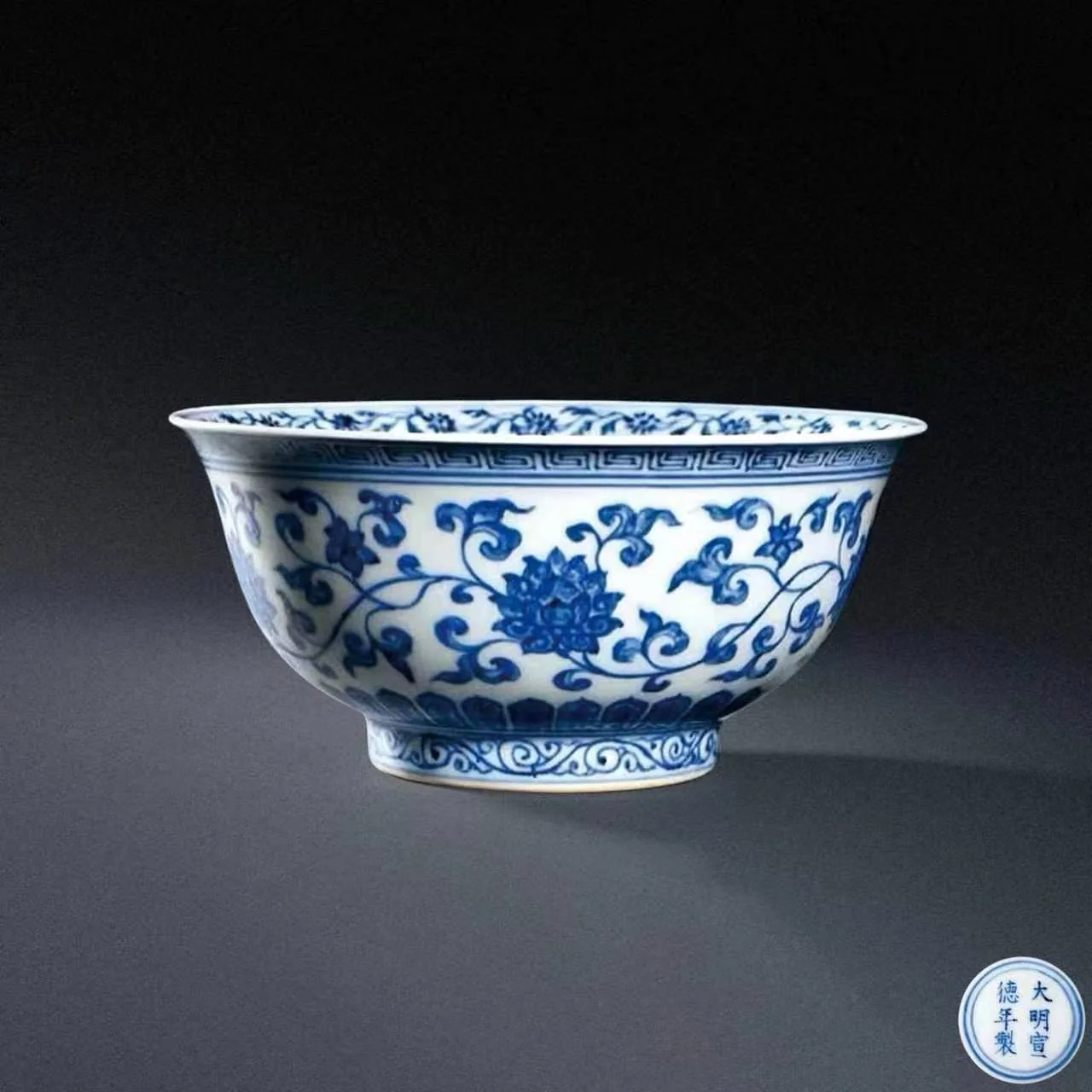
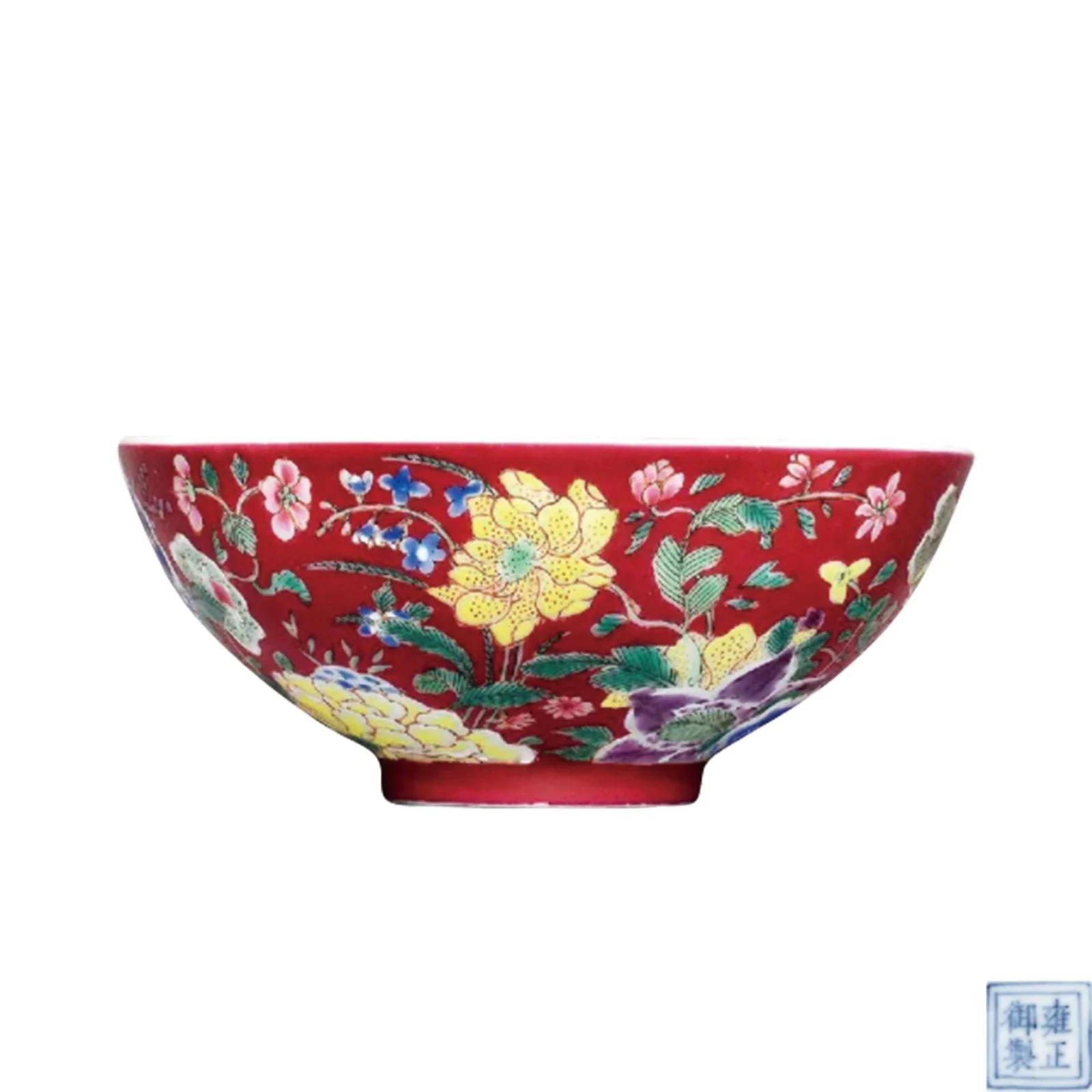
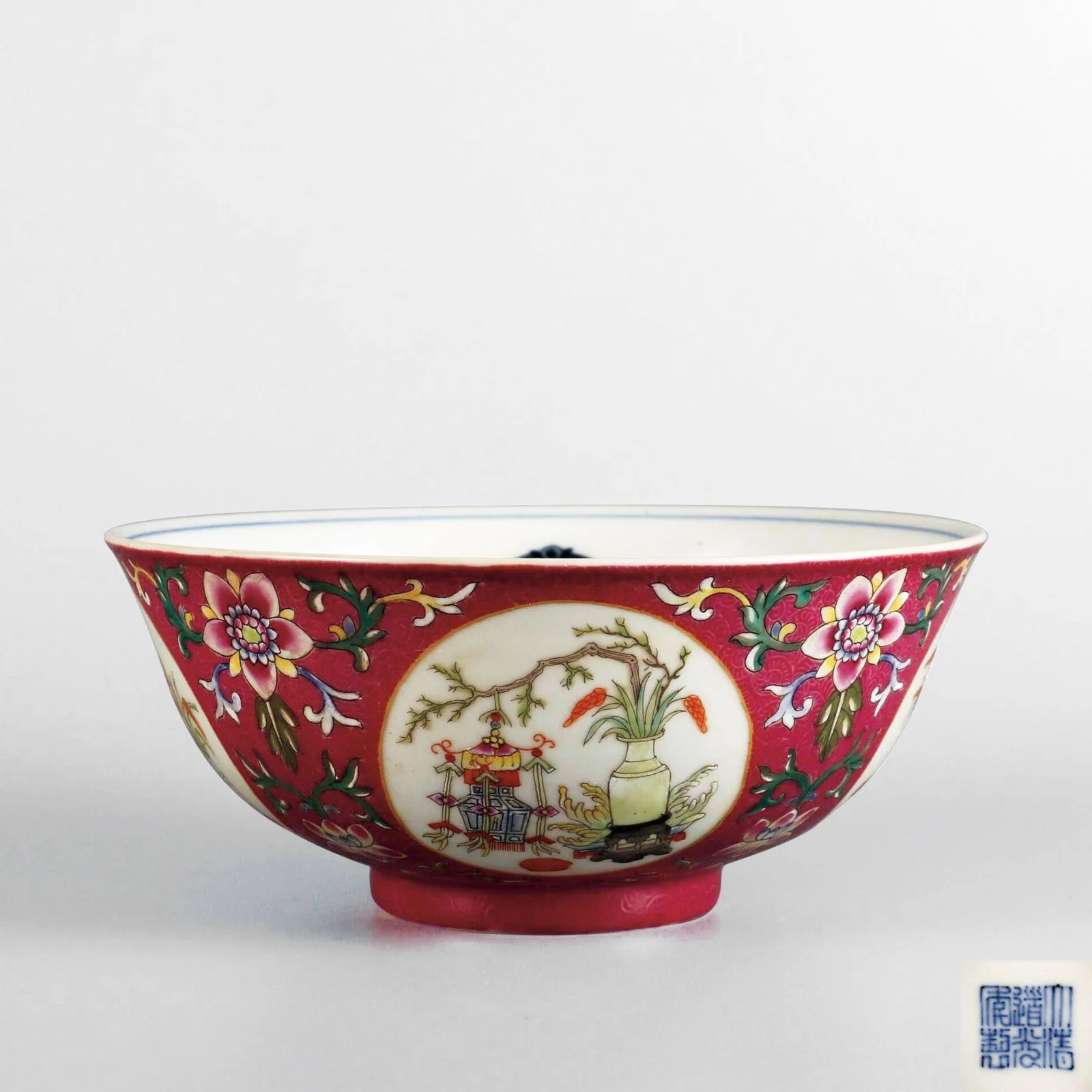
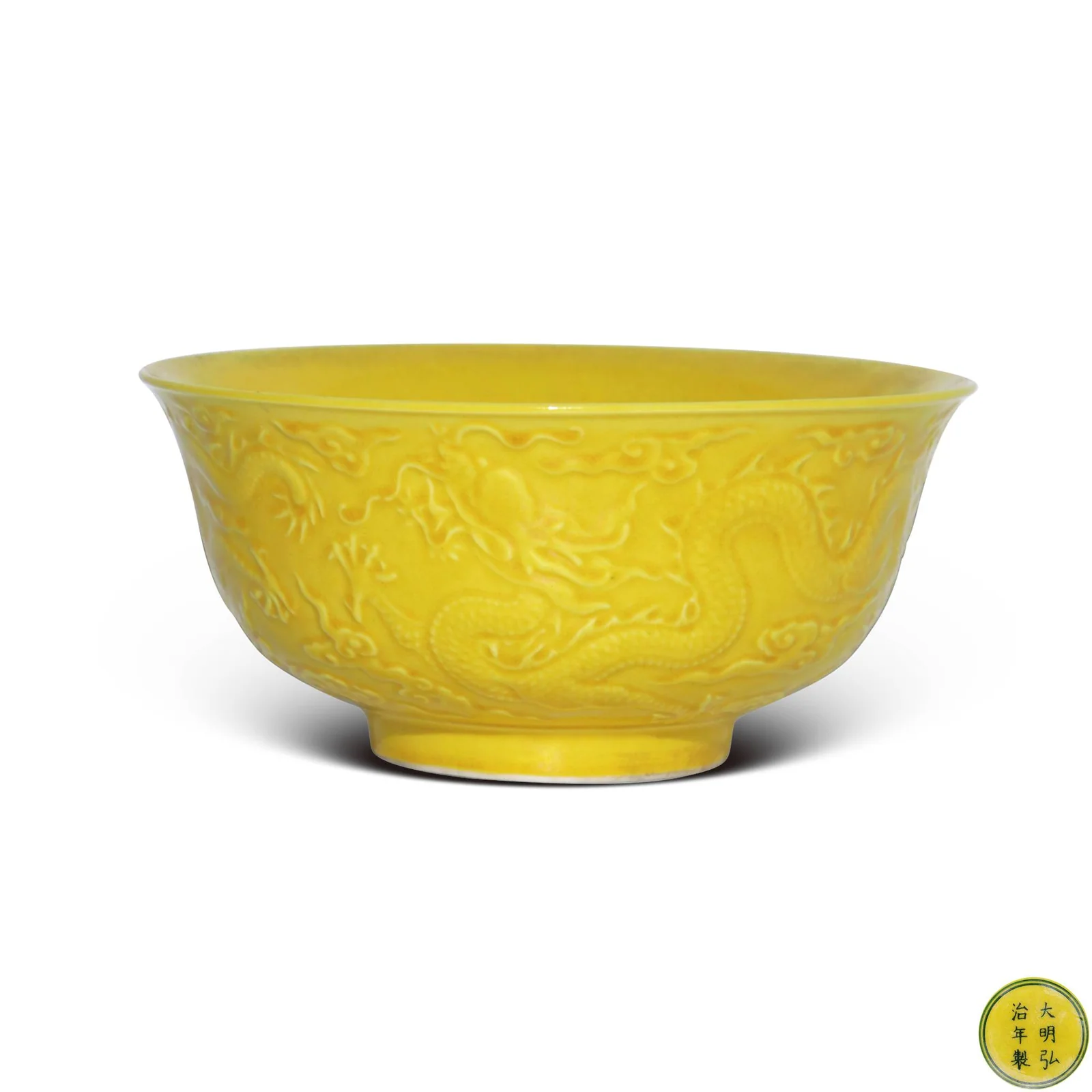
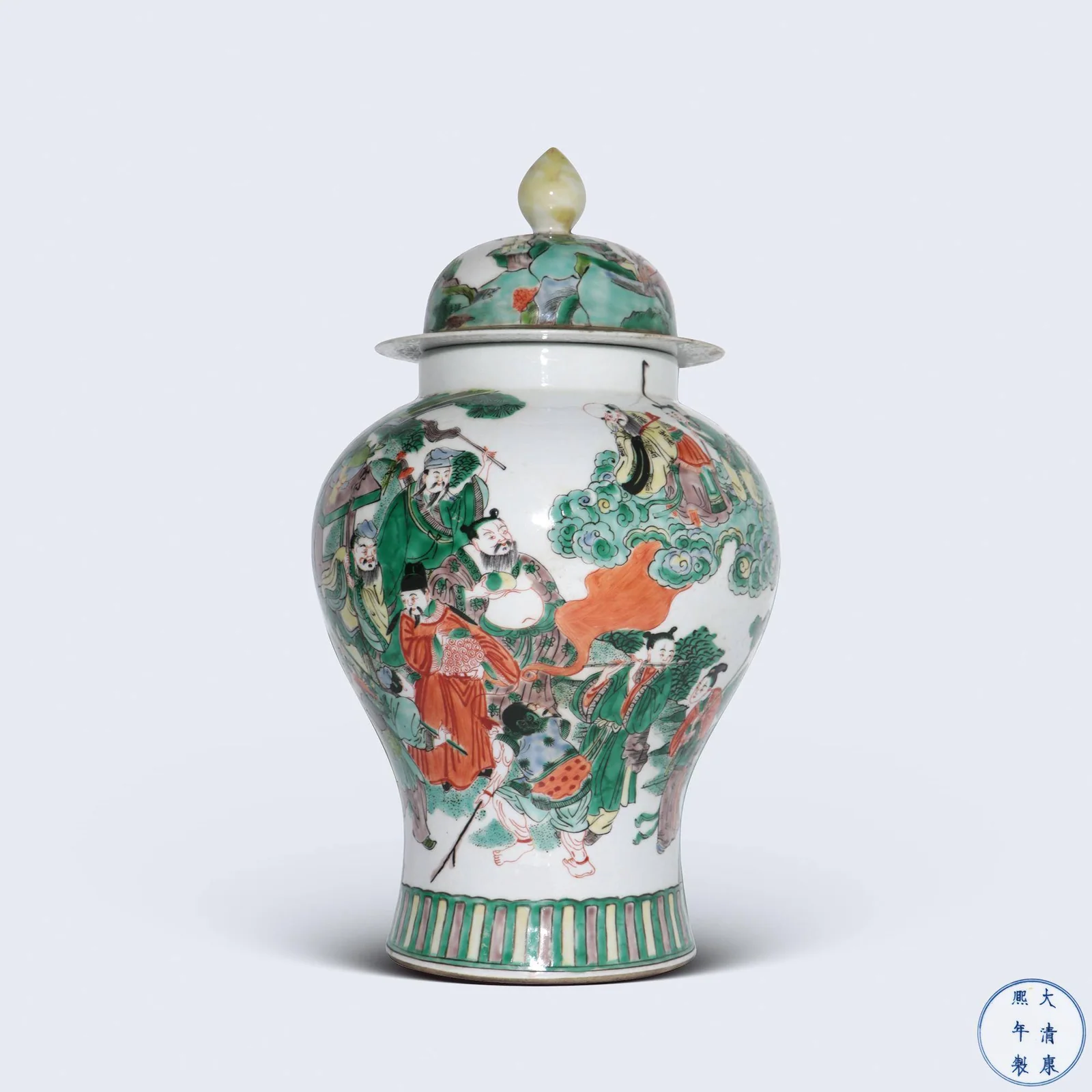
Porcelain forms the backbone of the Chinese art market. Imperial wares are prized for their marks, glazes and painting quality — Xuande copper-red, Chenghua doucai, Yongzheng famille rose and Qianlong enamels foremost among them. Value rests on five pillars: body and glaze, mark, painting, completeness of form, and provenance.
Reviewed by the Heritage Global specialist team · Updated 2026-10
Chronology
From early wares to the modern market — the eras that define this category.
Five Dynasties to Song — apex of monochrome
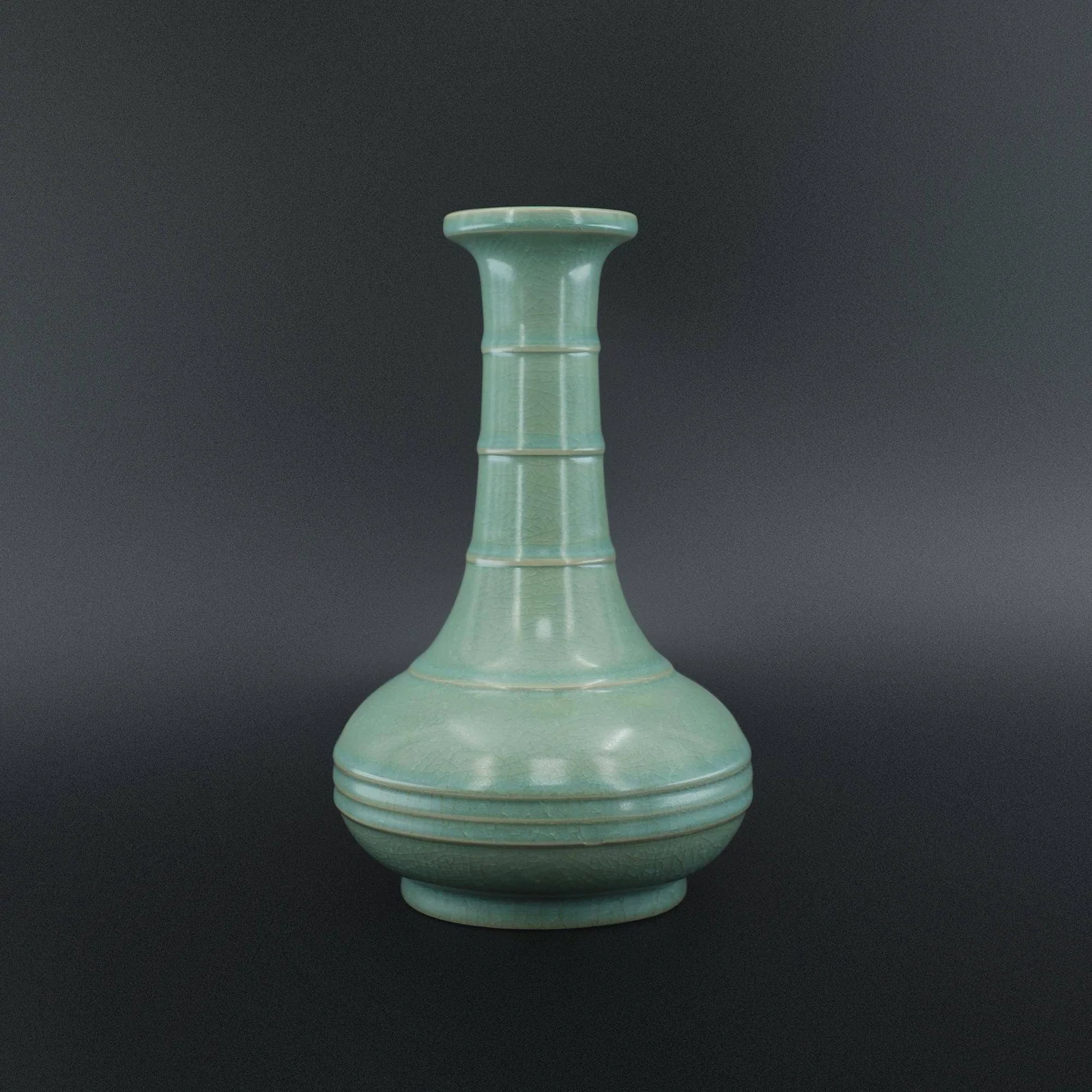
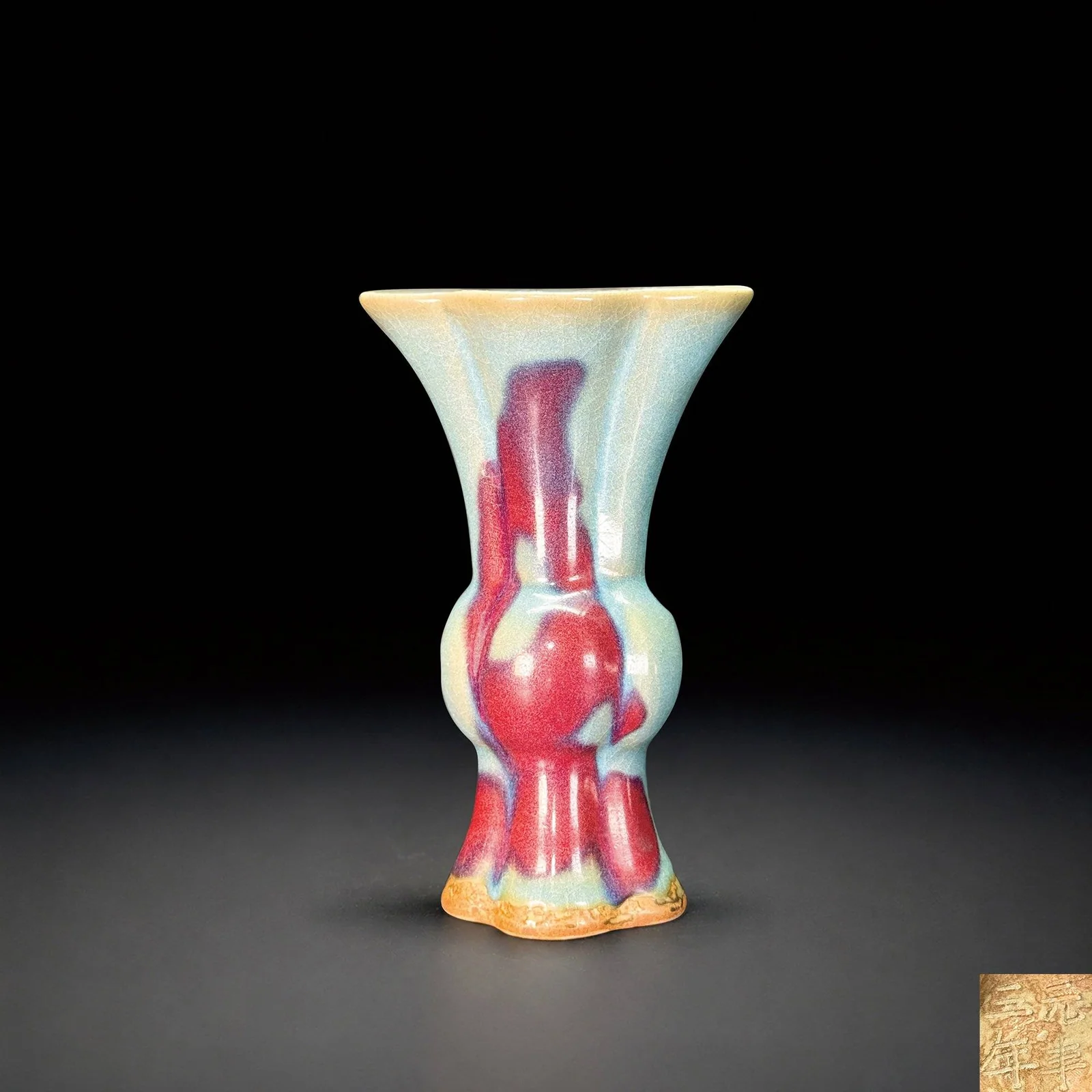
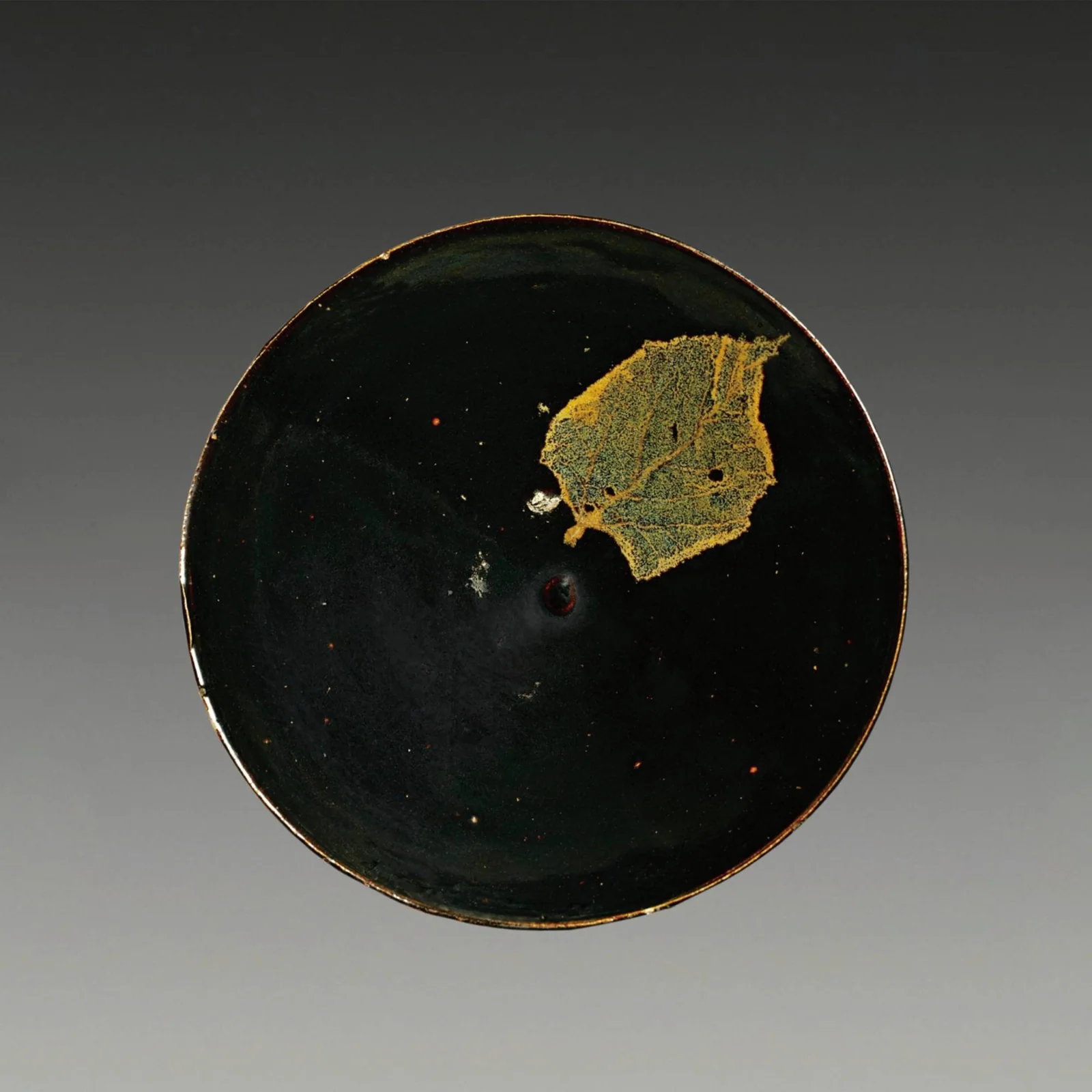
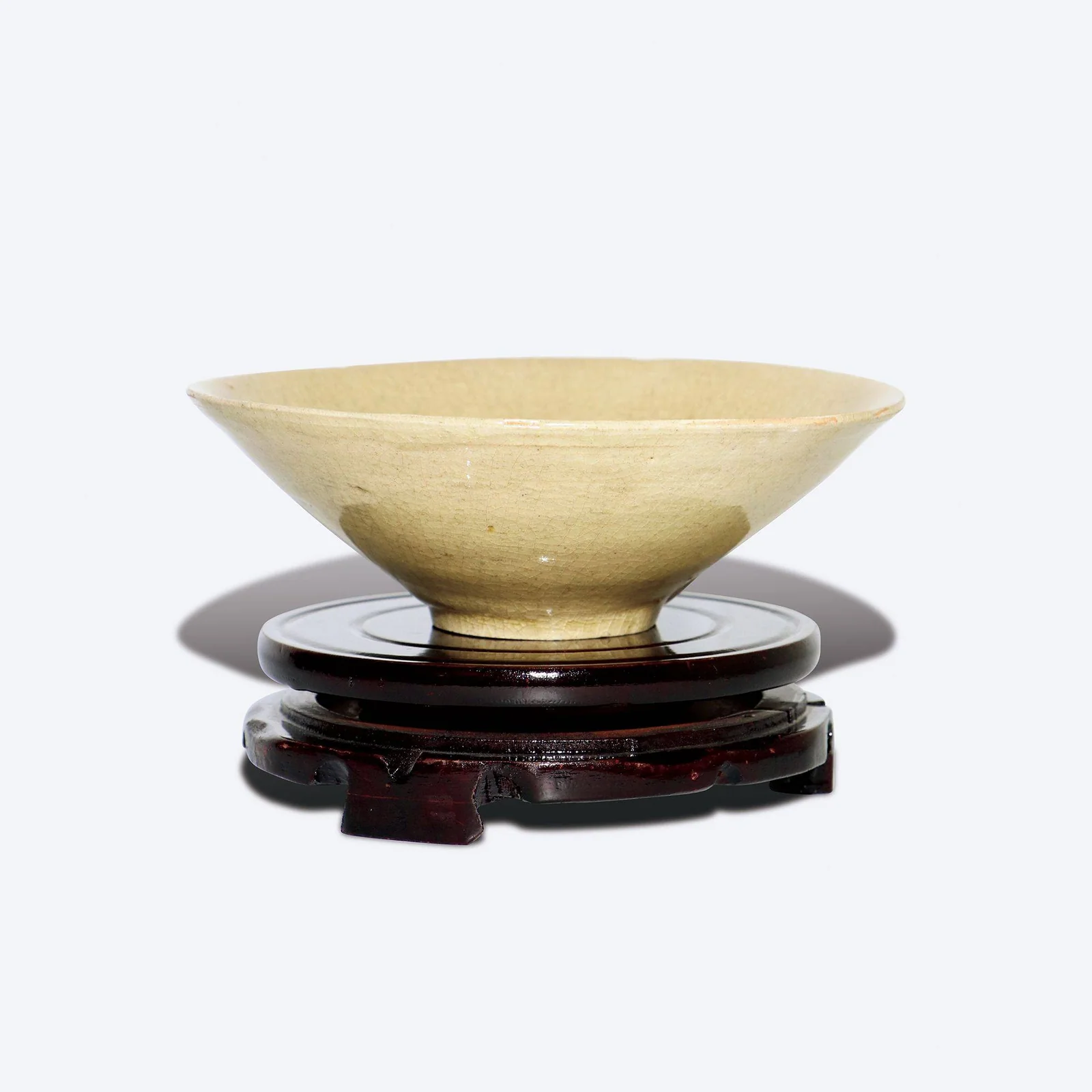
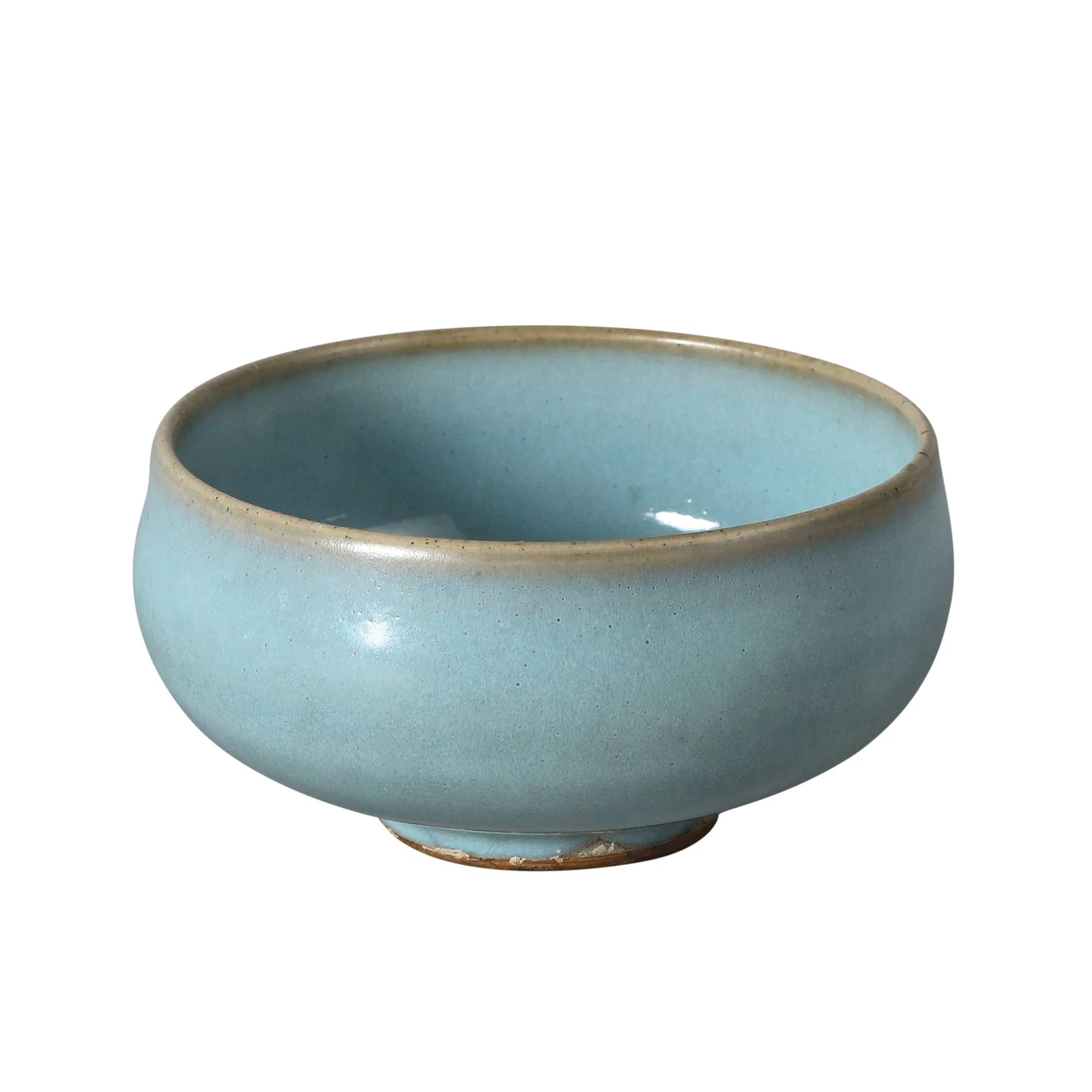
The five great kilns — Ru, Guan, Ge, Jun, Ding — set the aesthetic canon. Fewer than one hundred Ru pieces are thought to survive; each appearance is a market event.
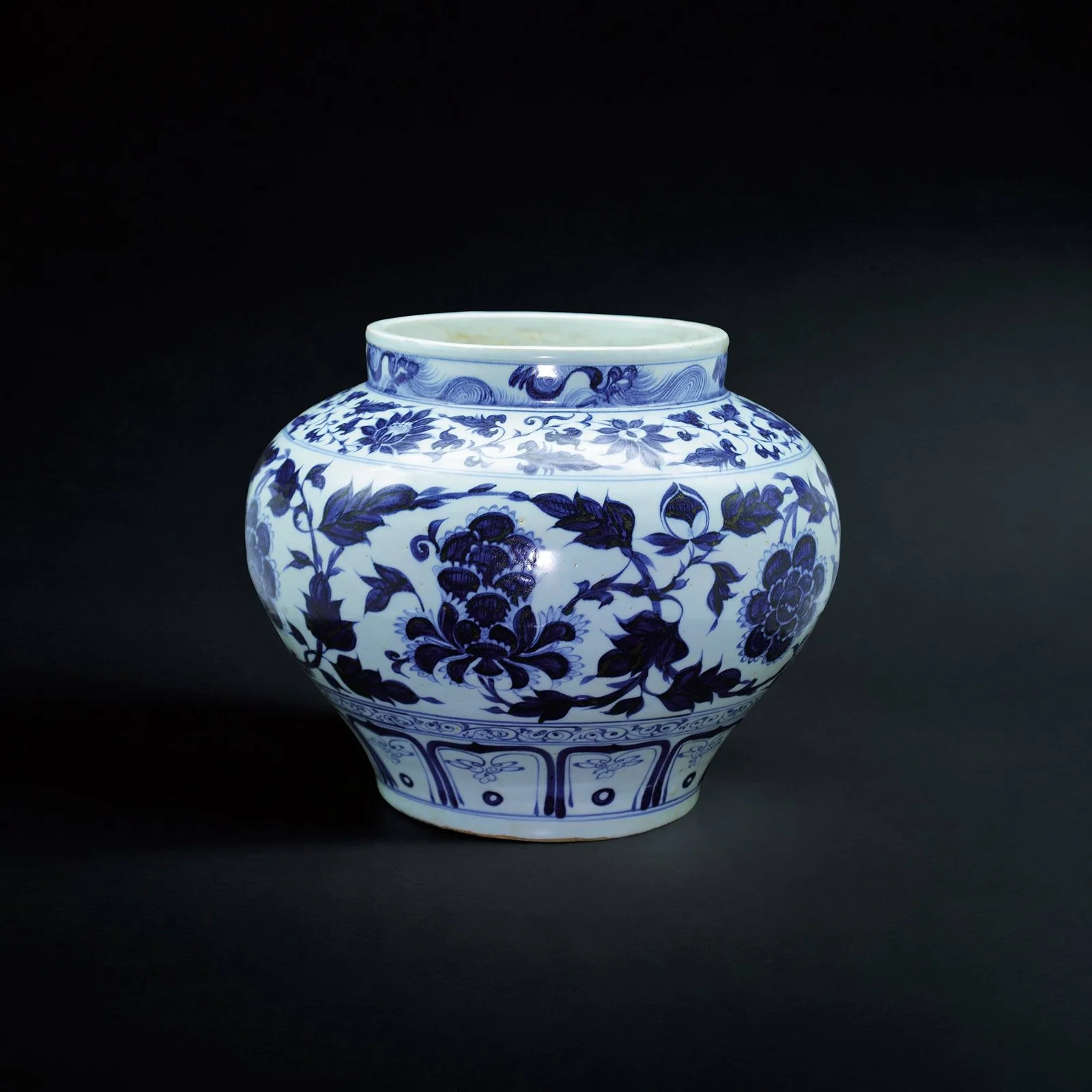
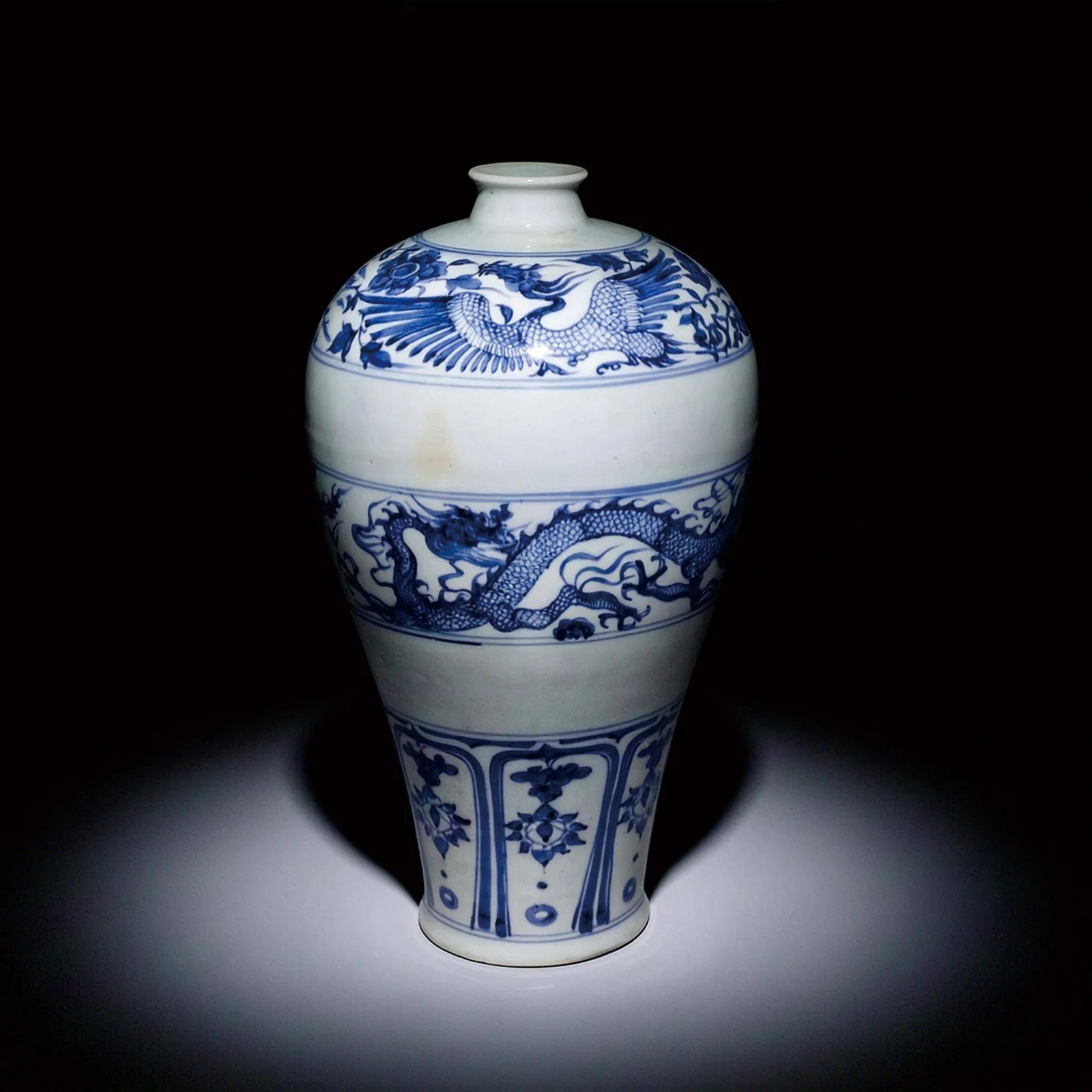
Yuan — blue-and-white matures
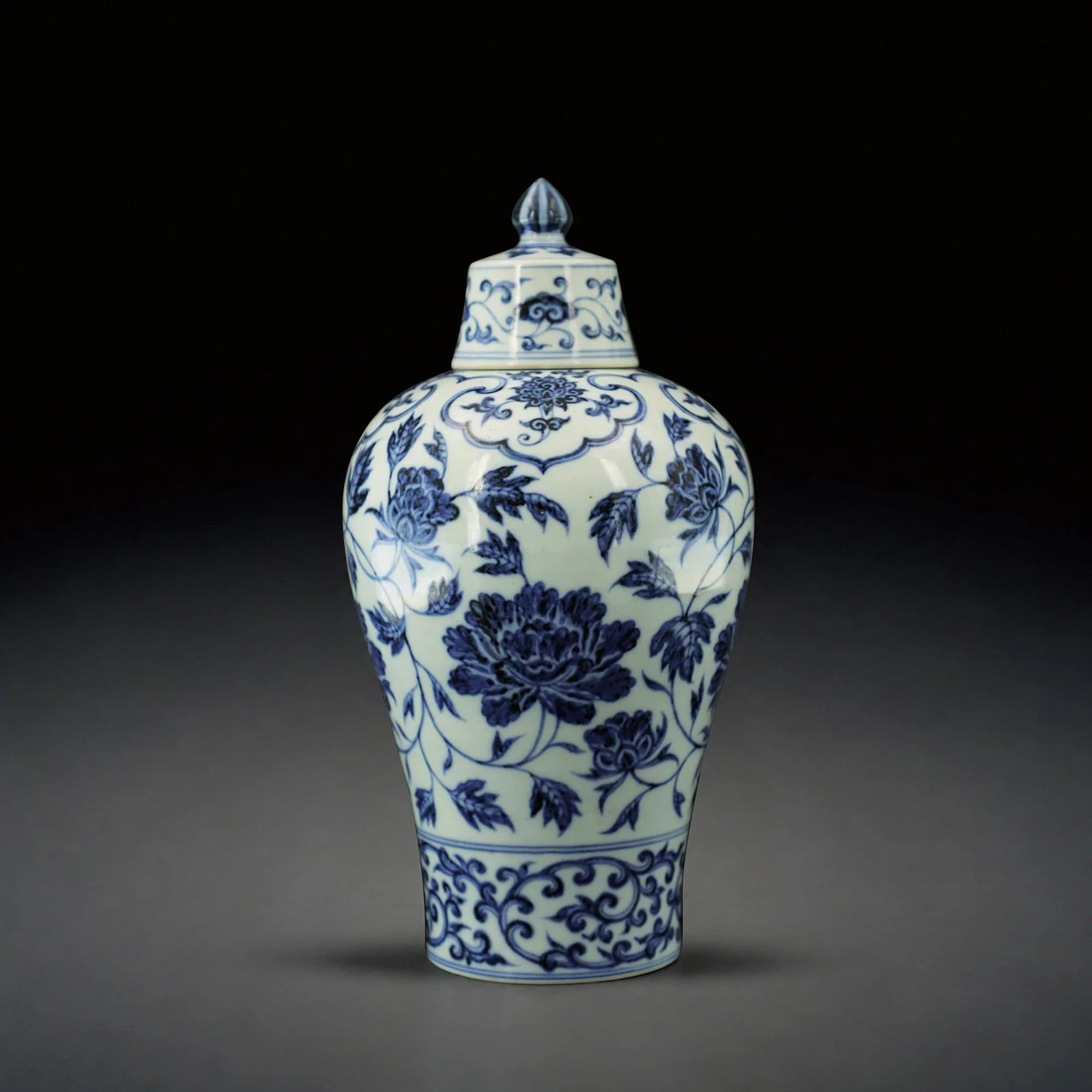
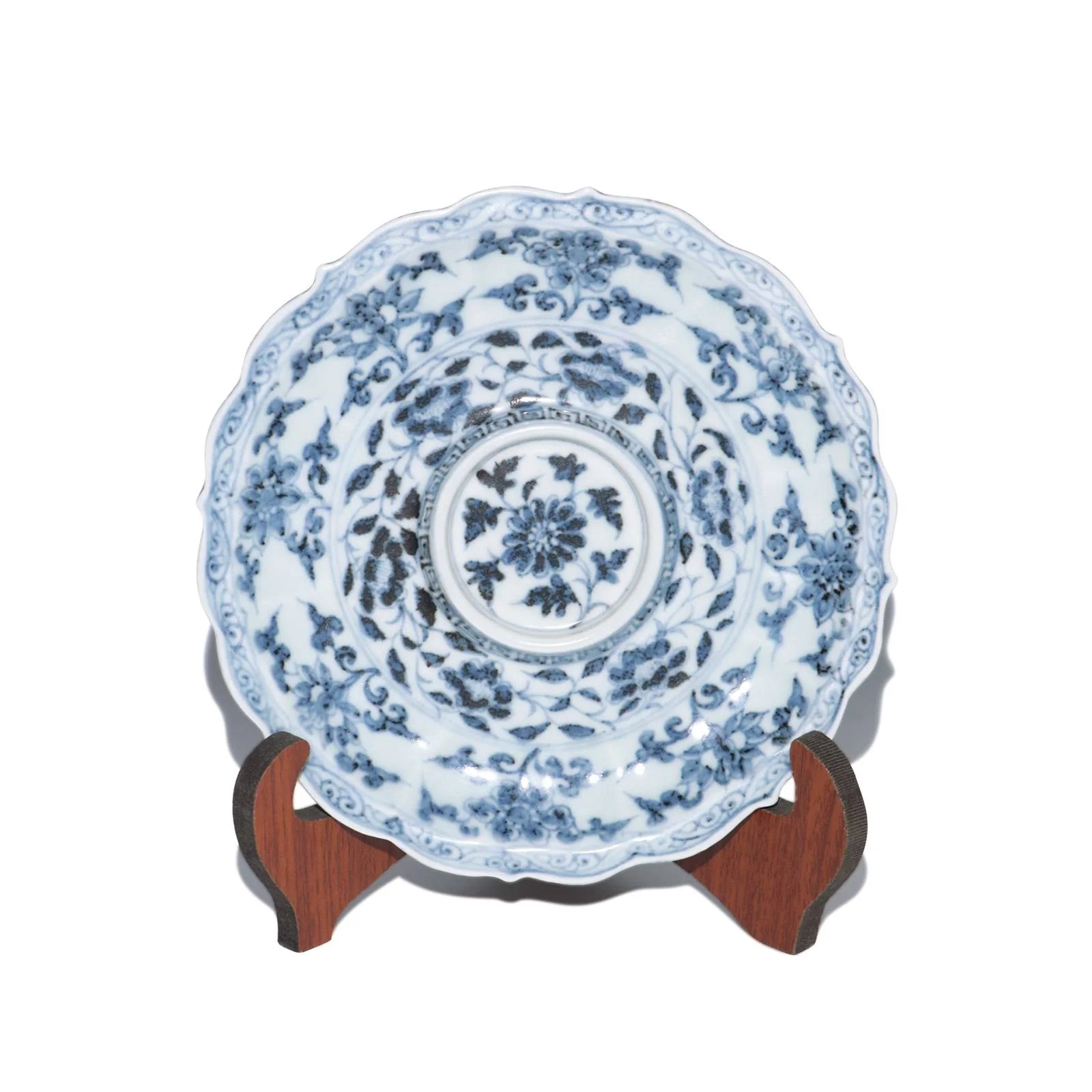
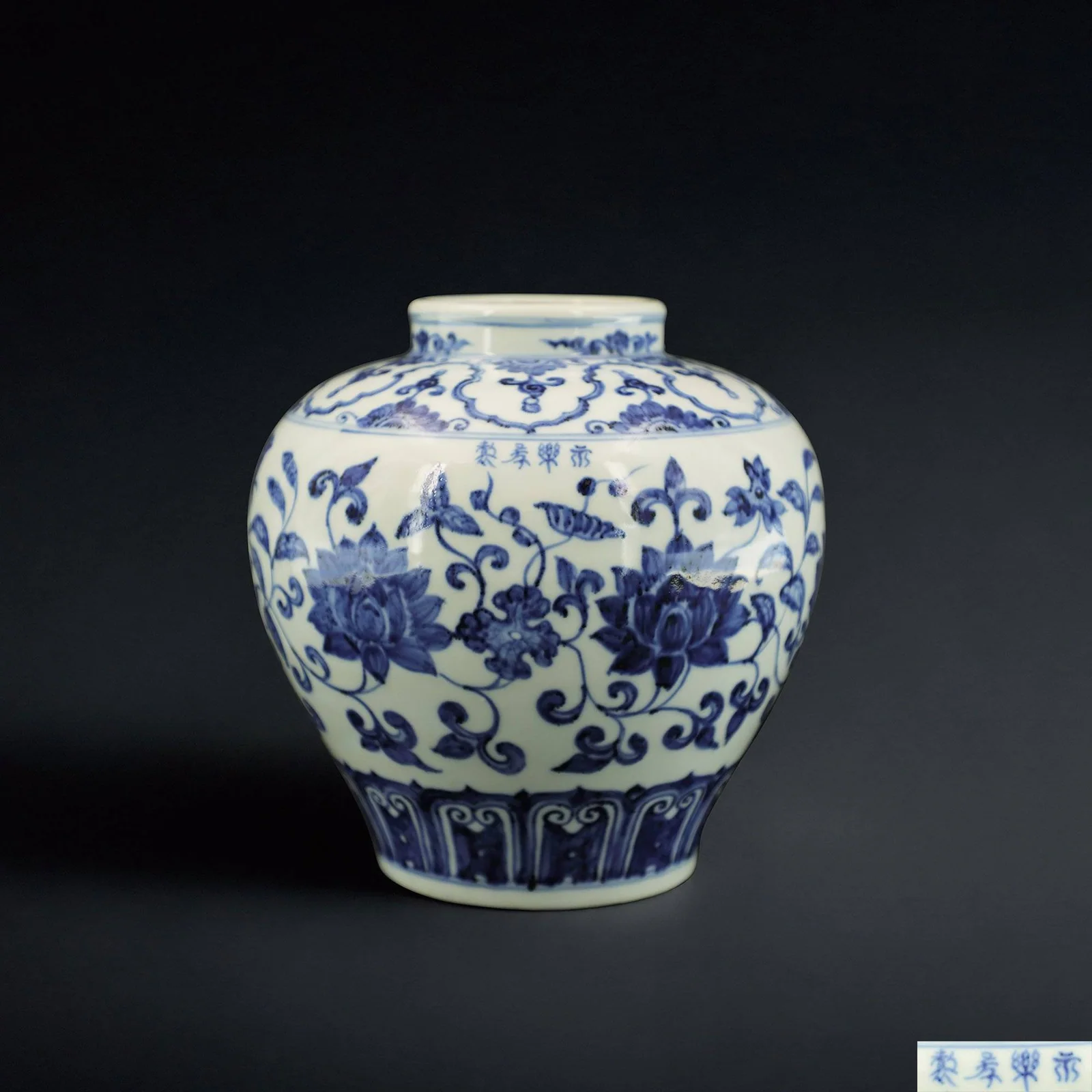
Jingdezhen harnessed imported cobalt for large vessels of deep, blurred blue with iron spots; figure-subject Yuan wares are exceptionally rare.
Ming Yongle–Xuande
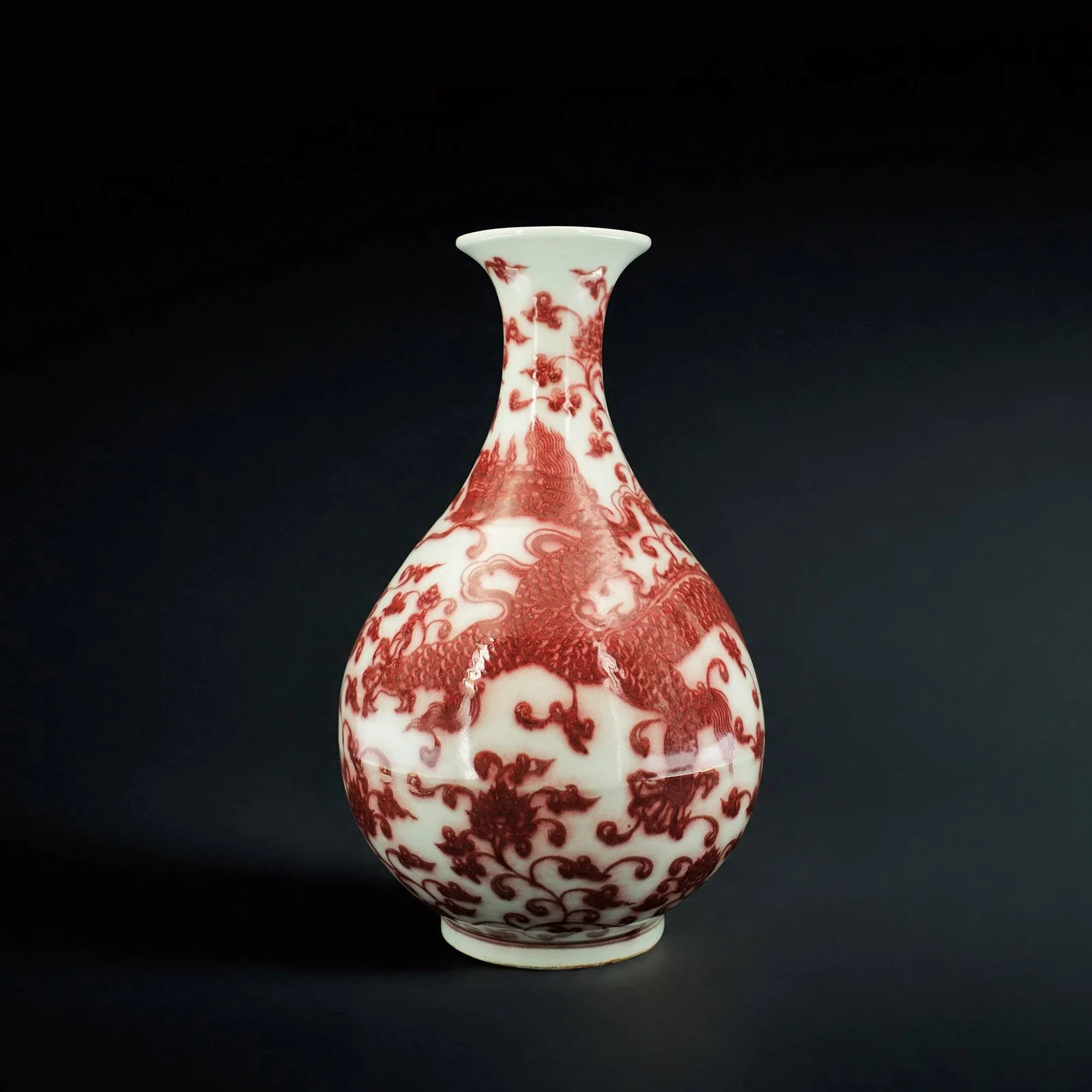
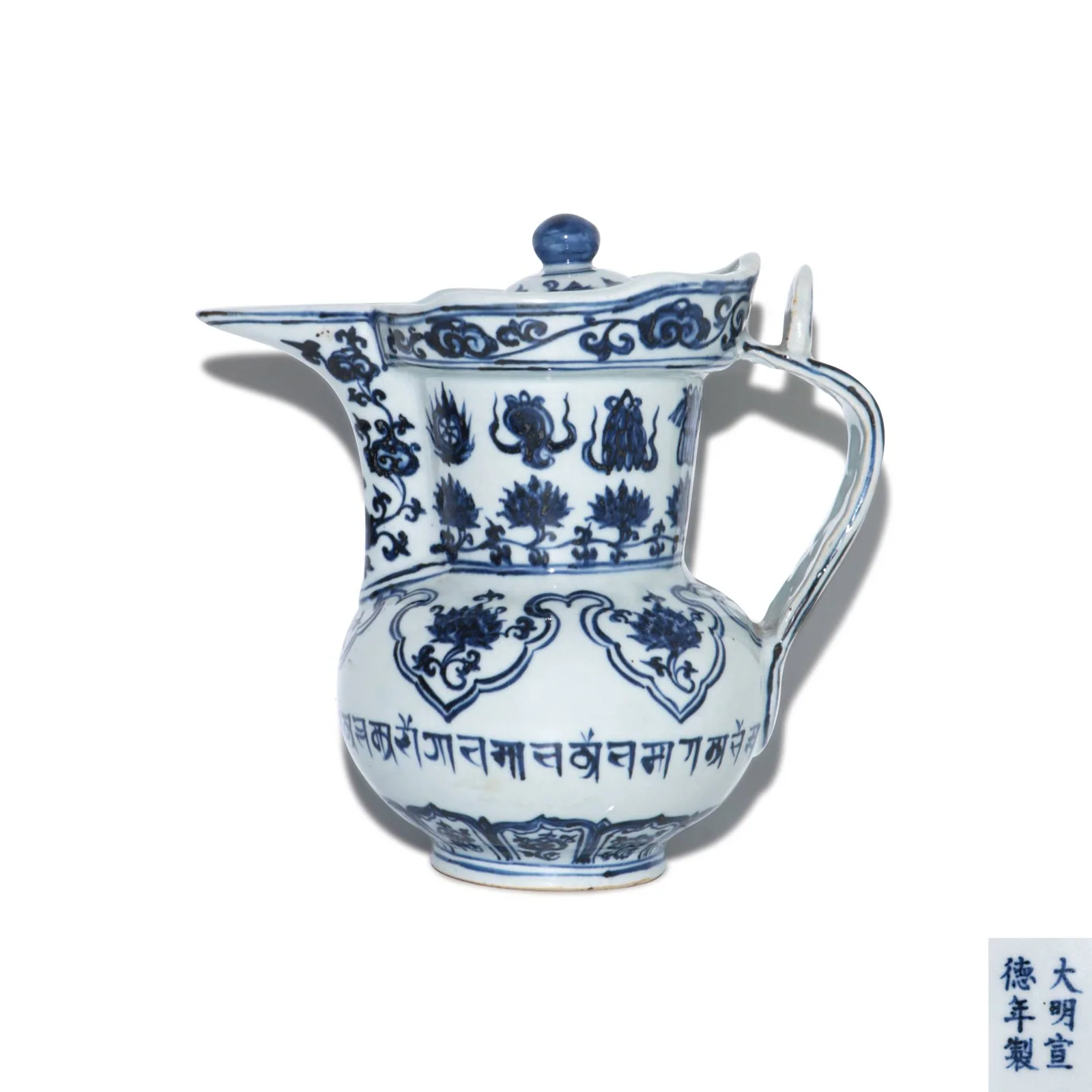
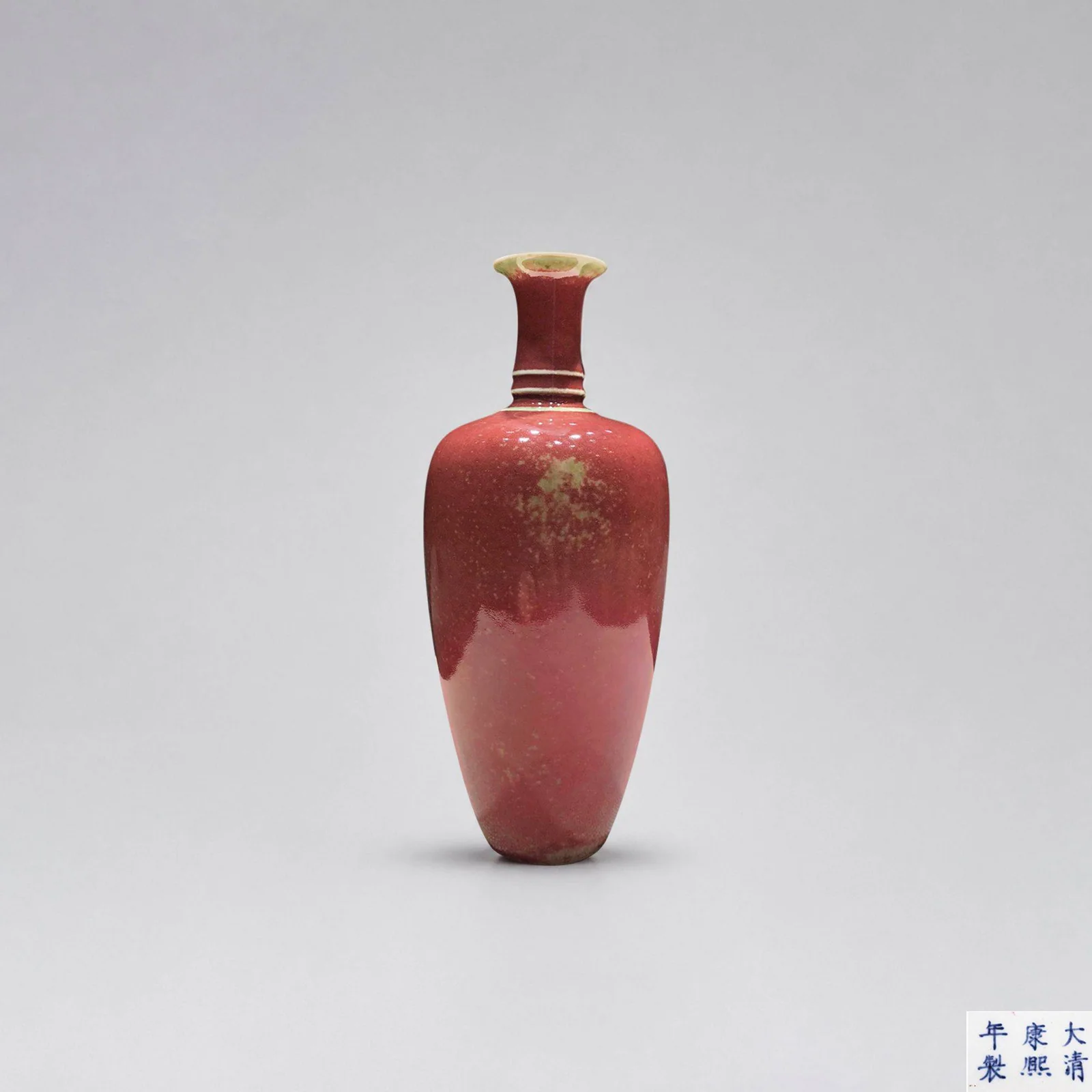
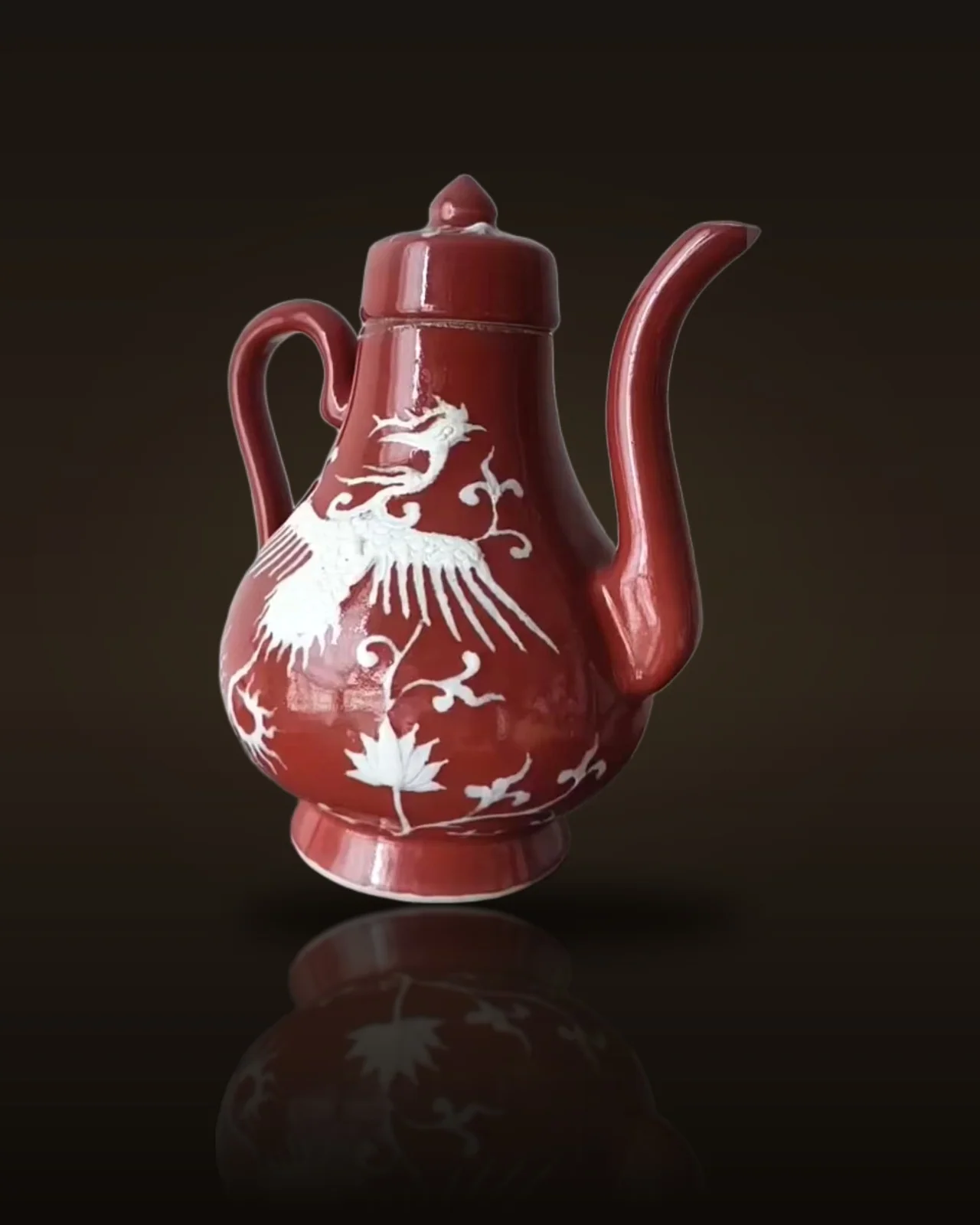
The imperial kiln system matured: sweet-white, sacrificial red and blue-and-white in parallel. Xuande copper-red — as on our pear-shaped ewer — remains the touchstone of the type.
Ming Chenghua
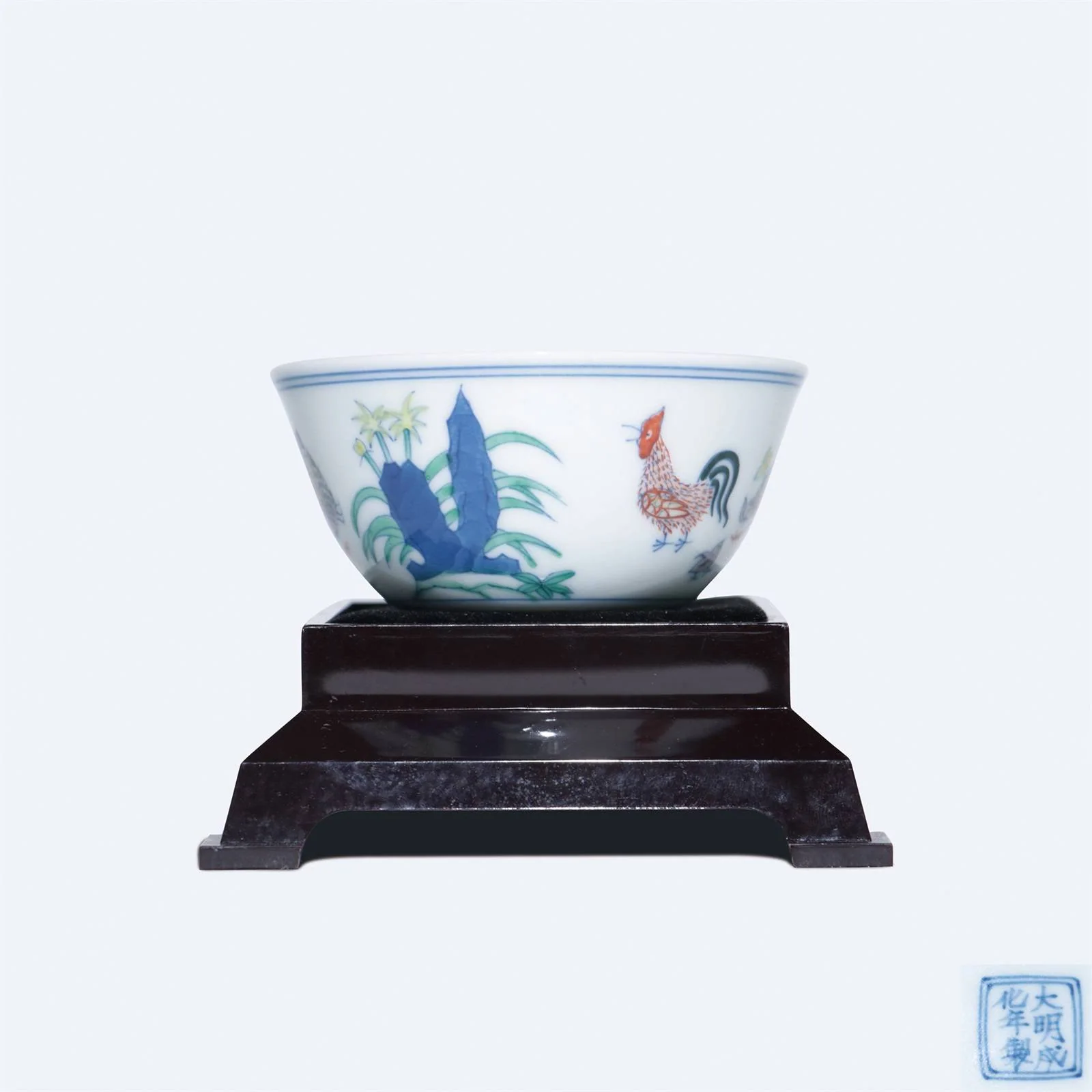
Doucai married underglaze blue with overglaze enamels; the 'chicken cup' defined Ming taste and, at roughly HKD 280 million in 2014, still anchors the category's ceiling.
Qing Kangxi–Qianlong
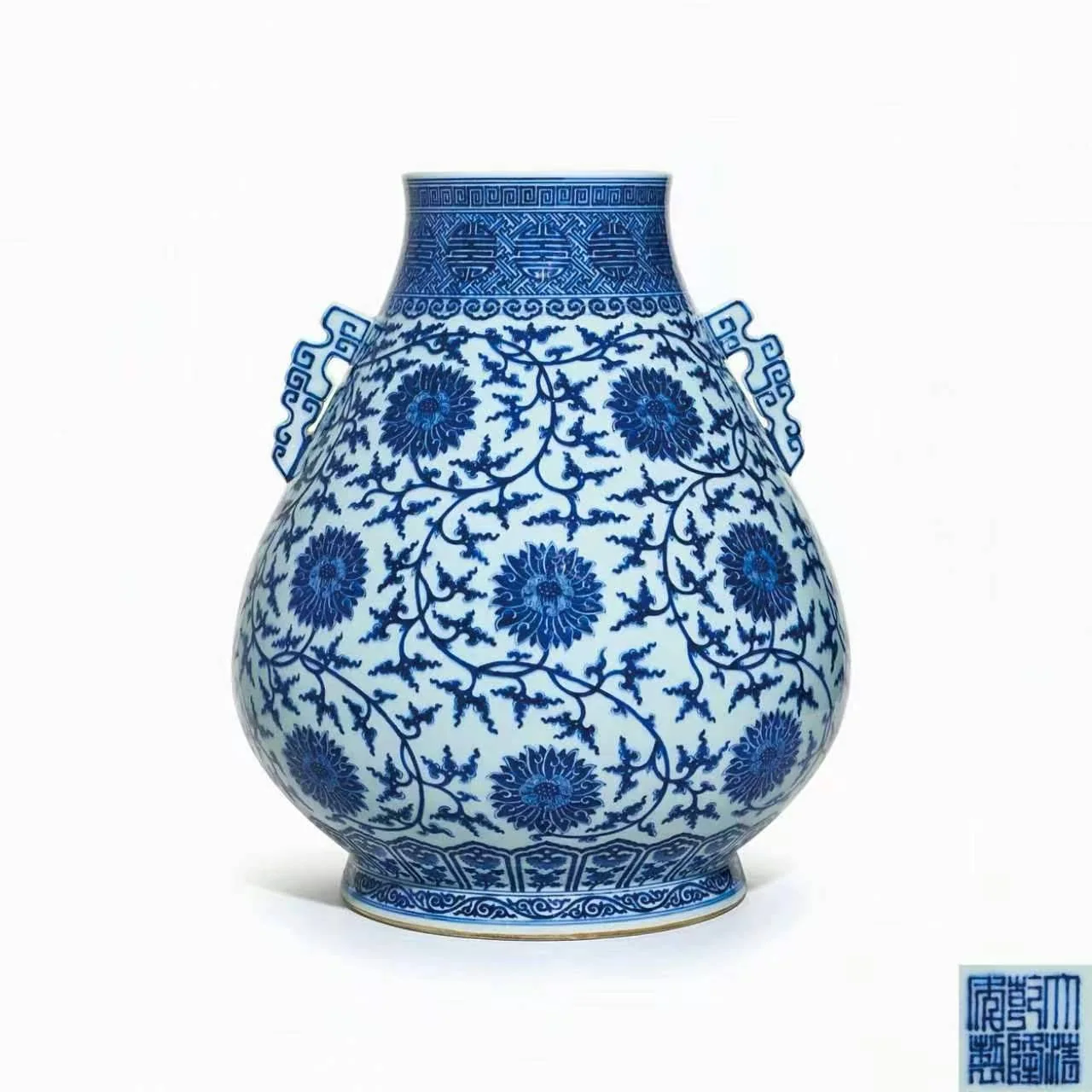
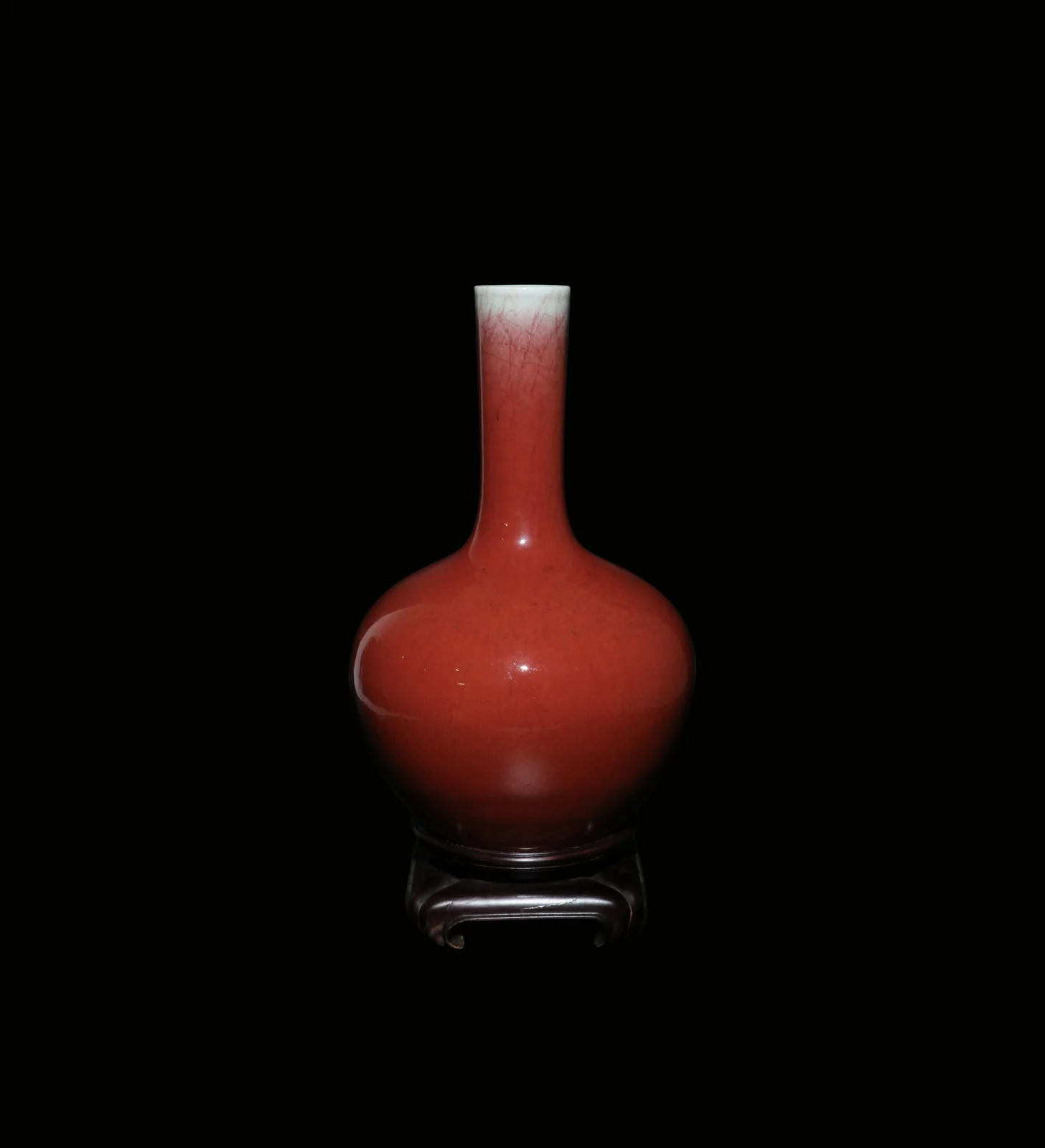
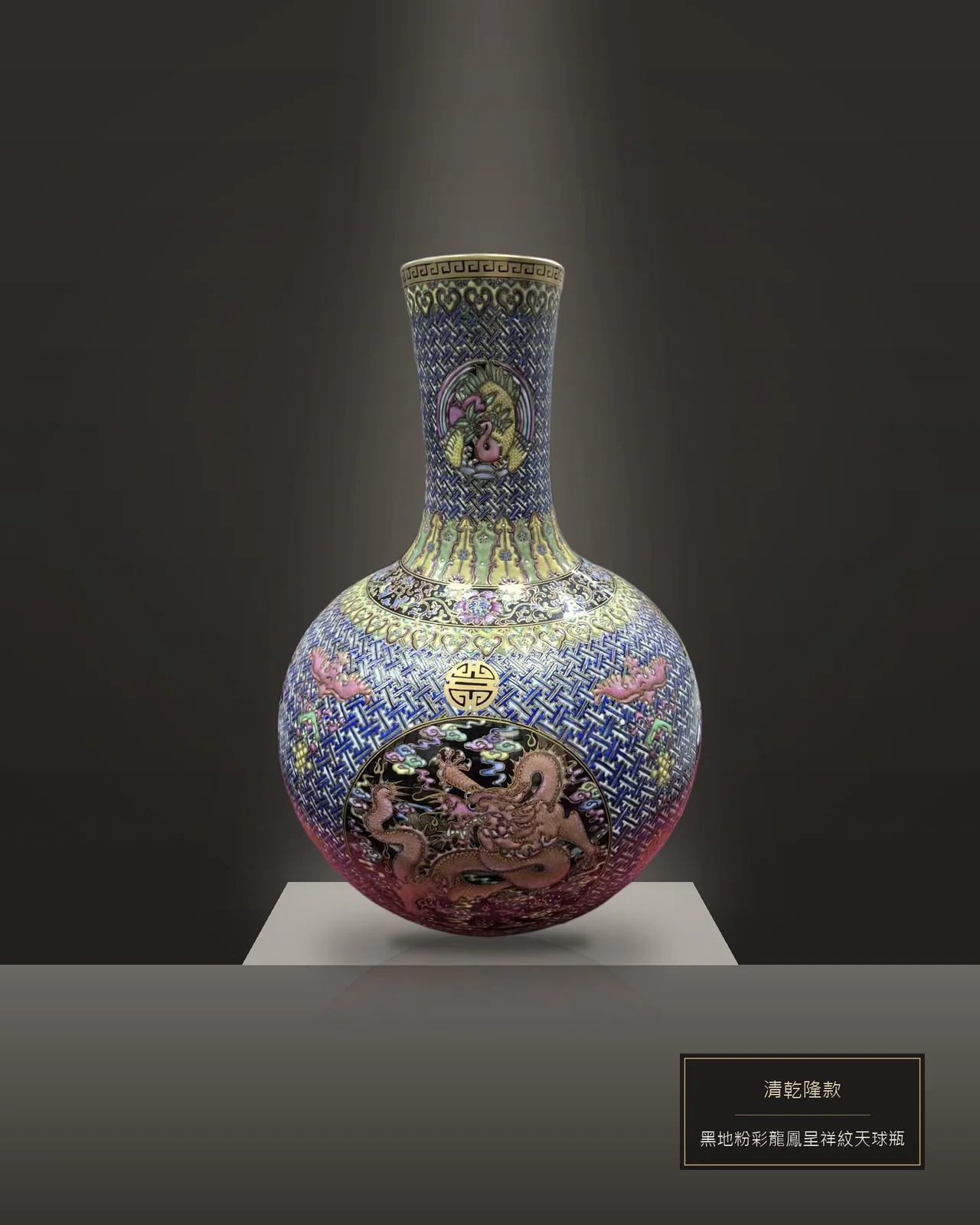
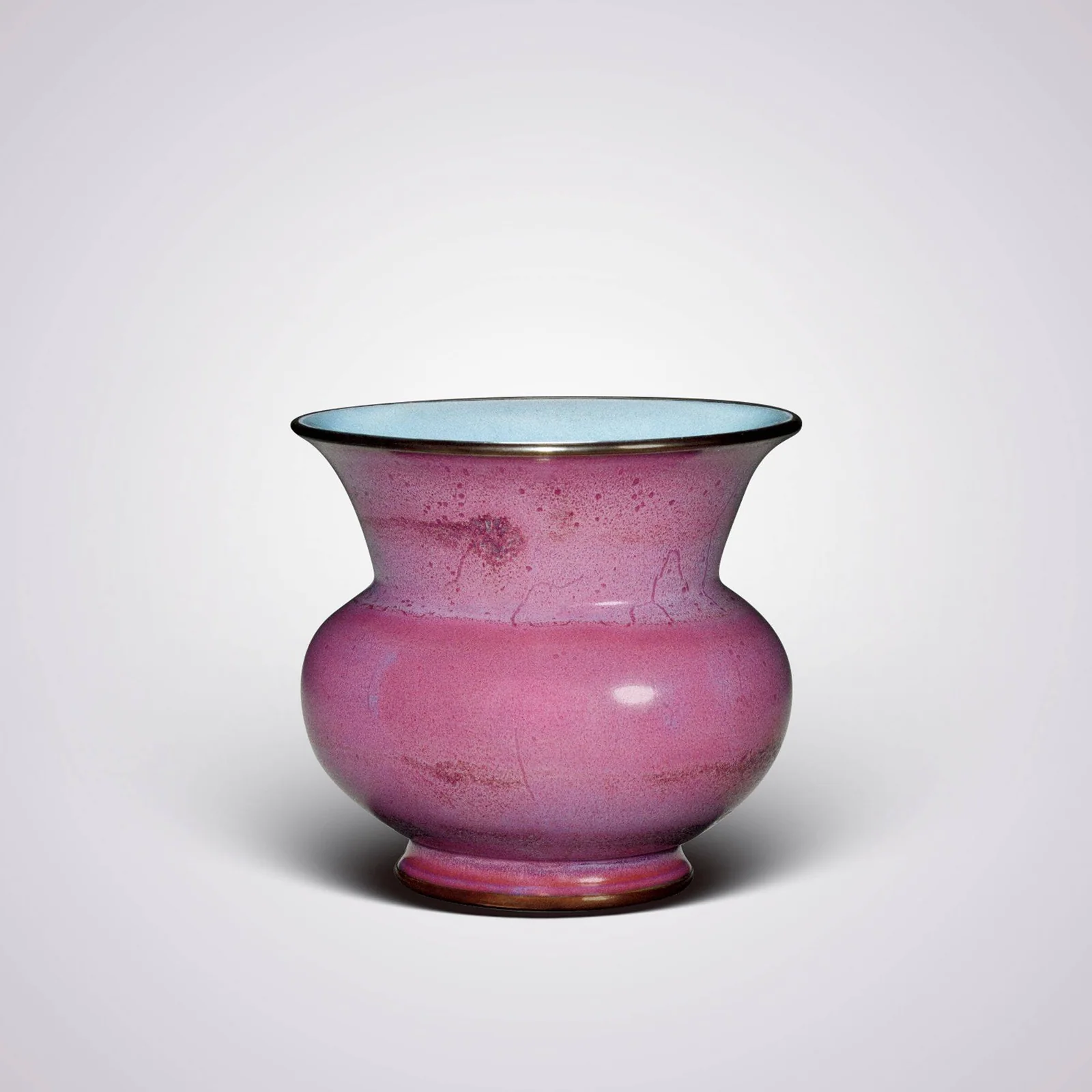
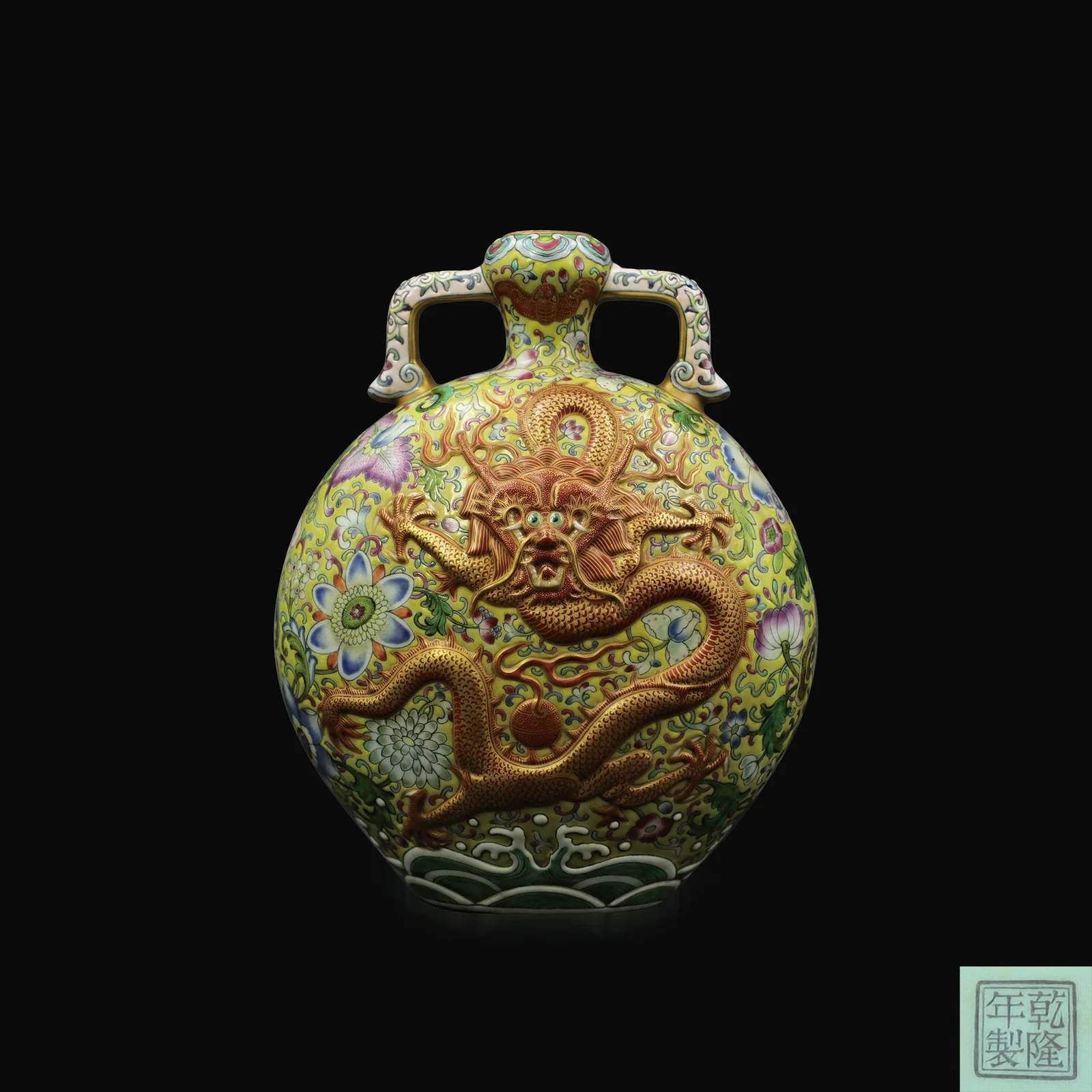
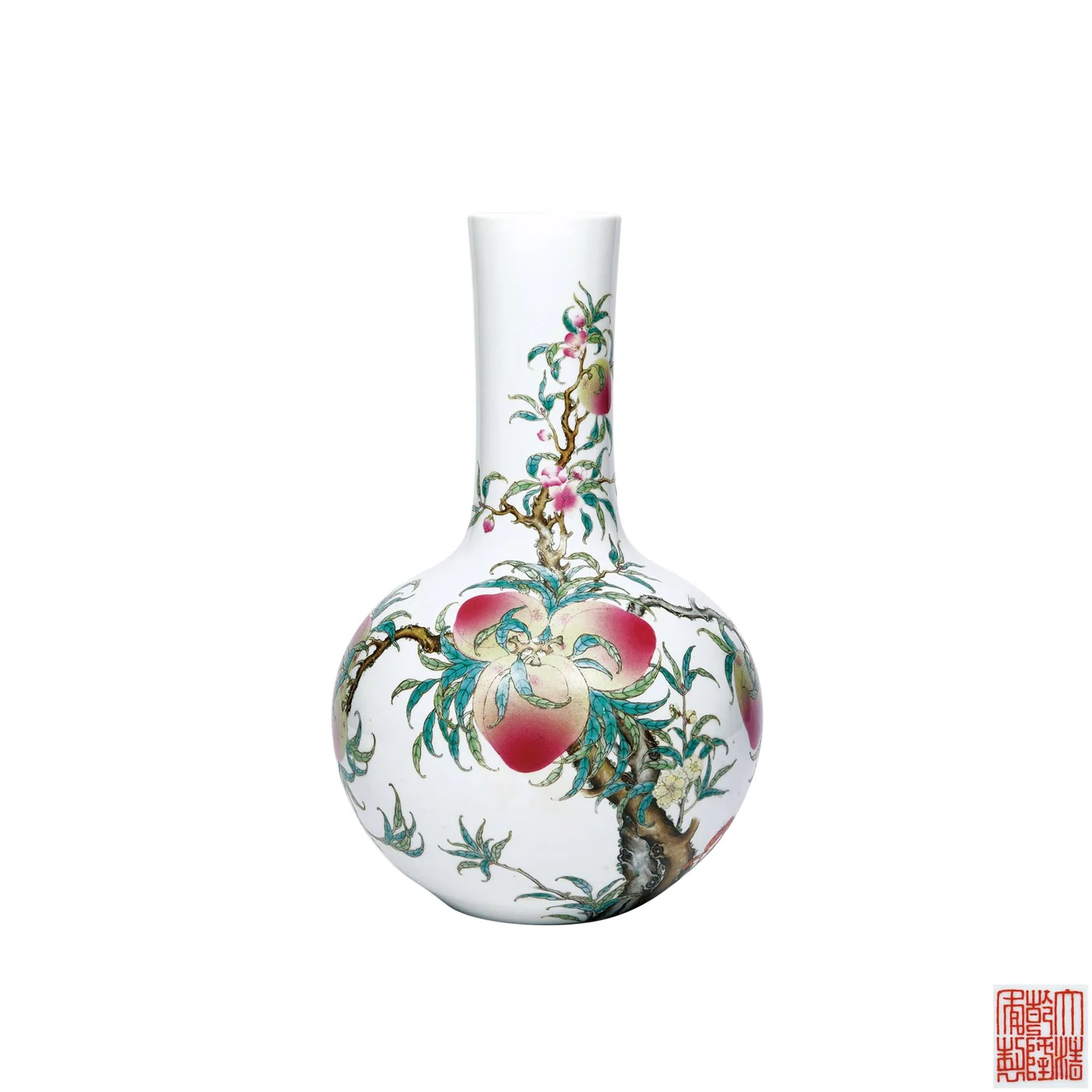
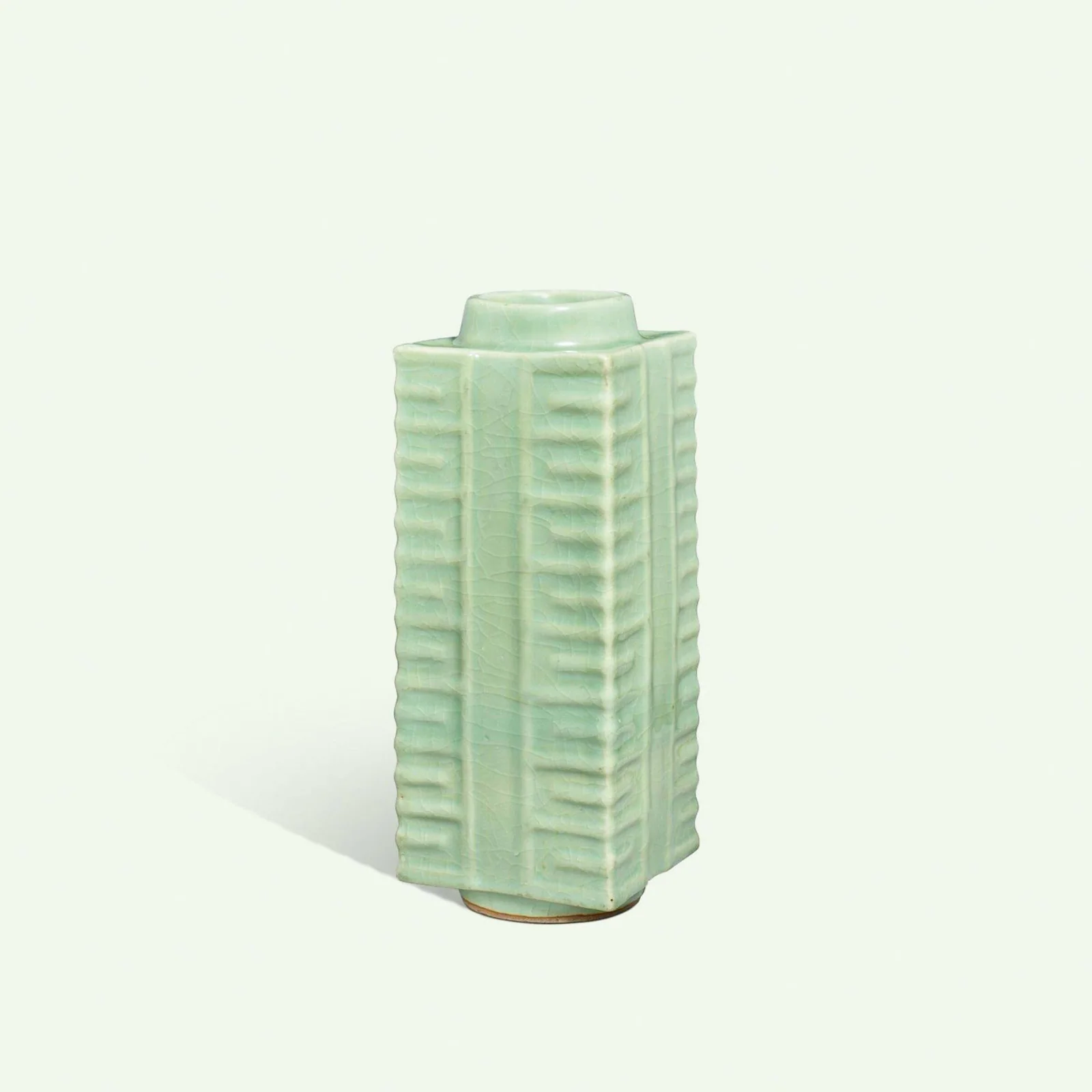
Three reigns of synthesis: Langyao red revived, famille rose rising under Yongzheng, Qianlong enamels and reticulated vases marking the technical summit — the lineage of our Langyao tianqiuping and enamel vase.
Late Qing to Republican
As the imperial kiln waned, literati painting on porcelain flourished: qianjiang colour and the Eight Friends of Zhushan founded a collecting field of their own.
Masters & Workshops
The names, ateliers and schools that anchor authentication and value.
The Imperial Kiln, Jingdezhen
Established under the Ming Hongwu reign, the imperial manufactory's mark system and destruction of flawed wares remain the institutional basis of dating and authentication.
Lang Tingji
Kangxi-era governor who revived high-fired red glazes; 'Langyao' — blood-red with lipped foot — bears his name and defines Kangxi monochrome.
Tang Ying
Superintendent of the imperial kilns under Yongzheng and Qianlong; his memoir records fifty-seven glaze and enamel types, and 'Tangyao' is held as the summit of Qing craft.
The Eight Friends of Zhushan
Eight Republican-era porcelain painters (Wang Qi, Wang Dafan, Deng Bishan and others) who brought literati painting onto porcelain; signed works anchor modern dating.
Frequently Asked
How is porcelain dated?
By density of the body, glaze bubbles and orange-peel texture, the hand of the mark, and proportions — photographs should cover the rim, foot and mark.
What is my porcelain worth?
Send six or more clear photographs and our specialists will provide a three-tier HKD reference range with reasoning.
How are fees calculated?
All fees and settlement terms are provided in writing before signing, on a post-sale settlement model.
Ready to consign?
Send six or more photographs for an expert opinion and a reference estimate in HKD.