Works of Art & Buddhist Art
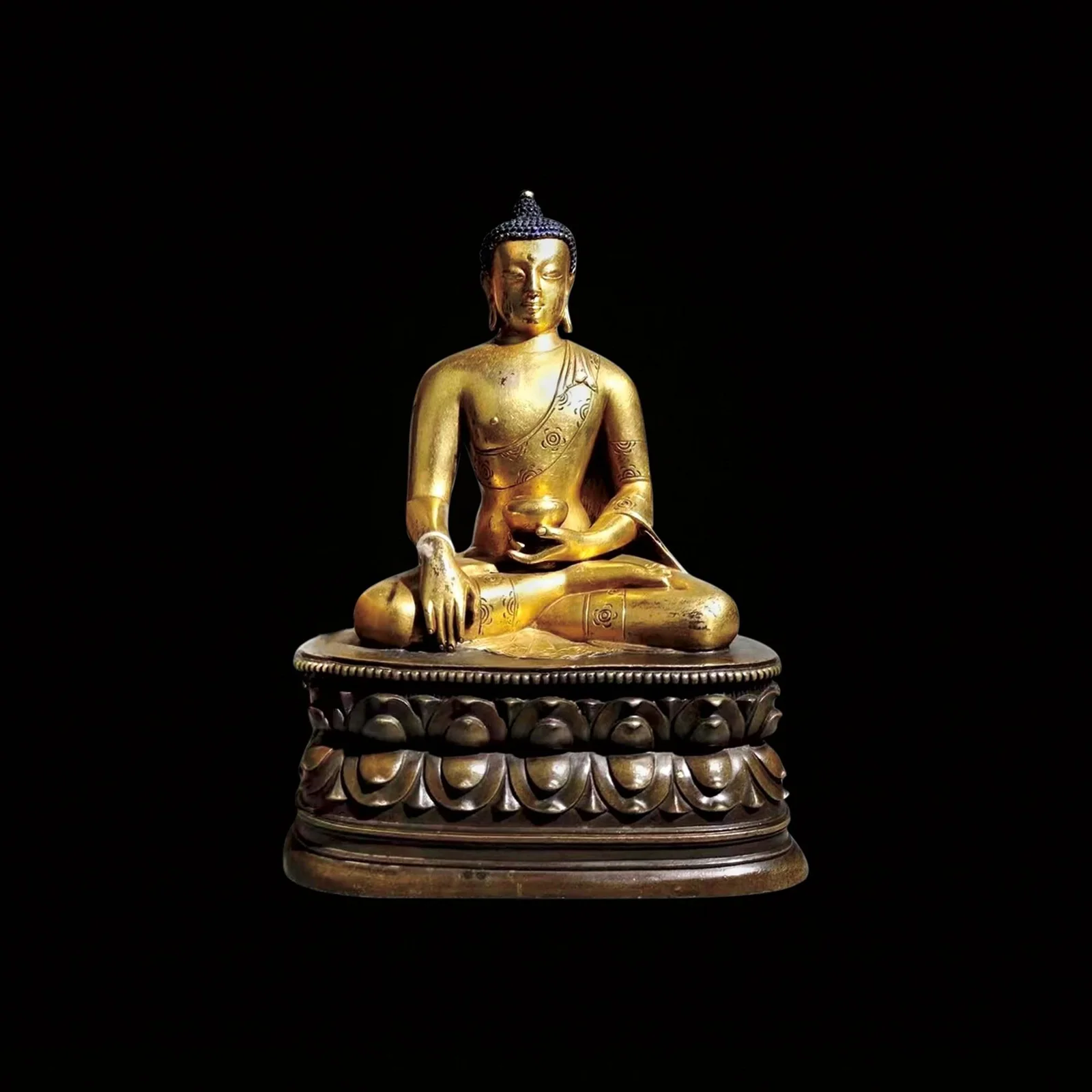
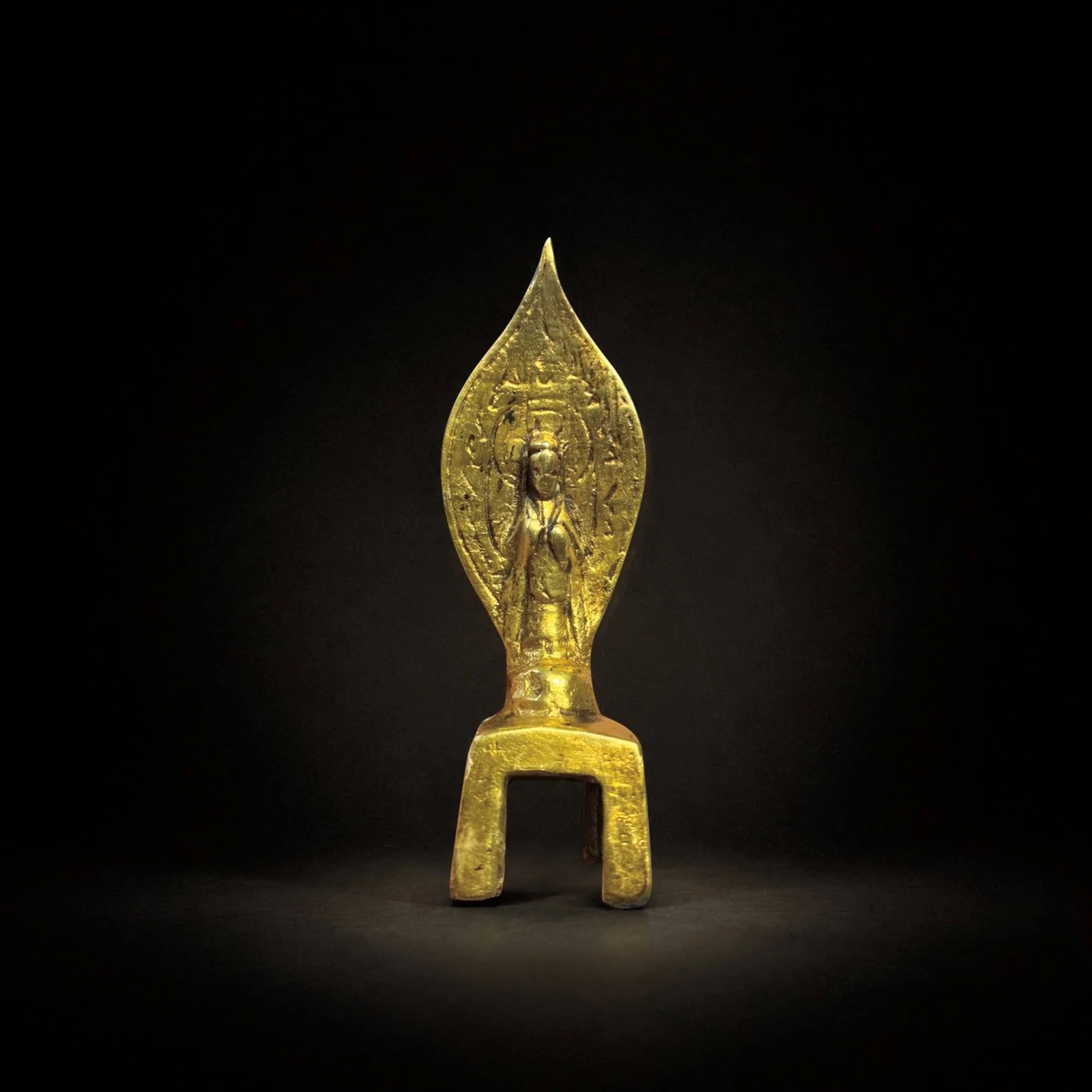
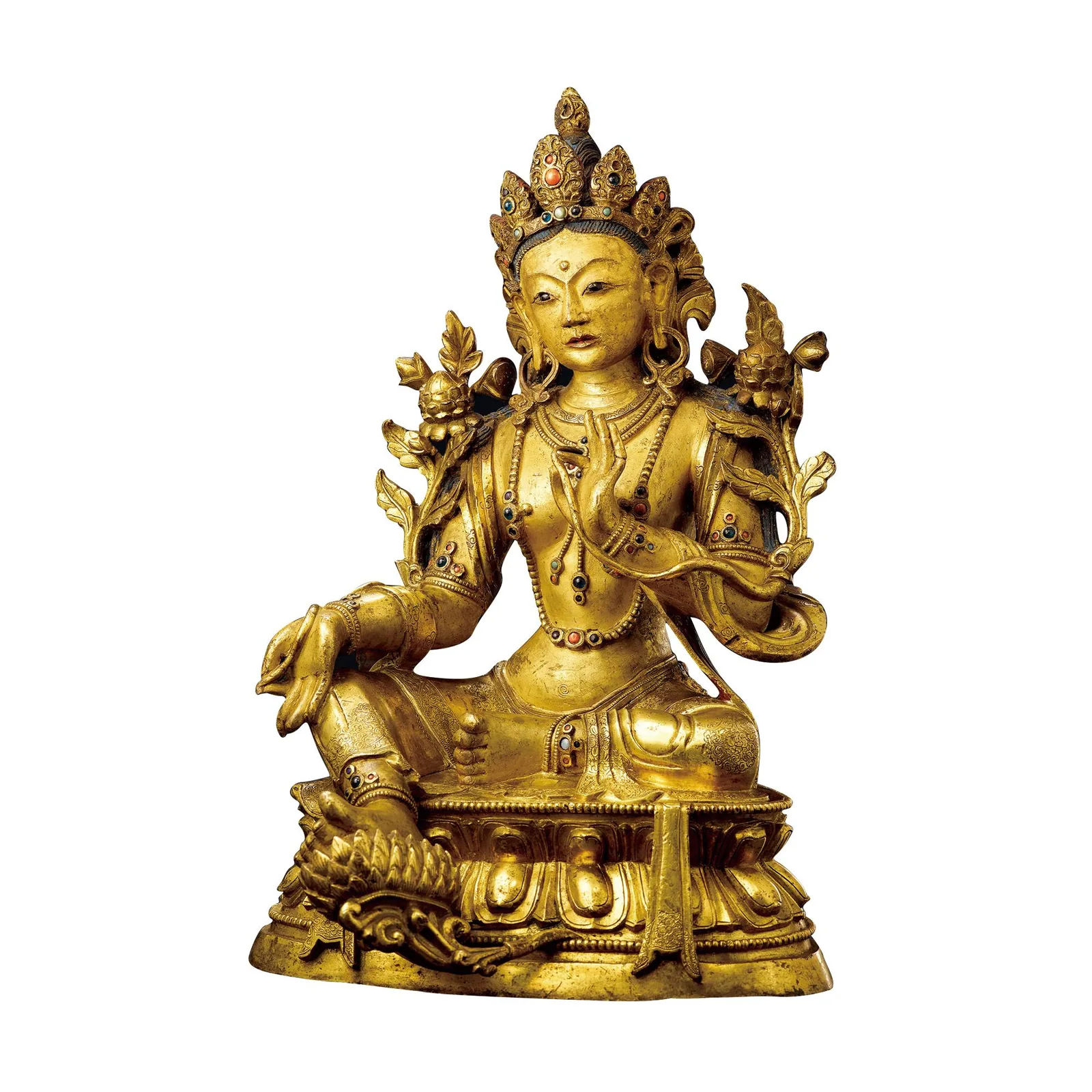
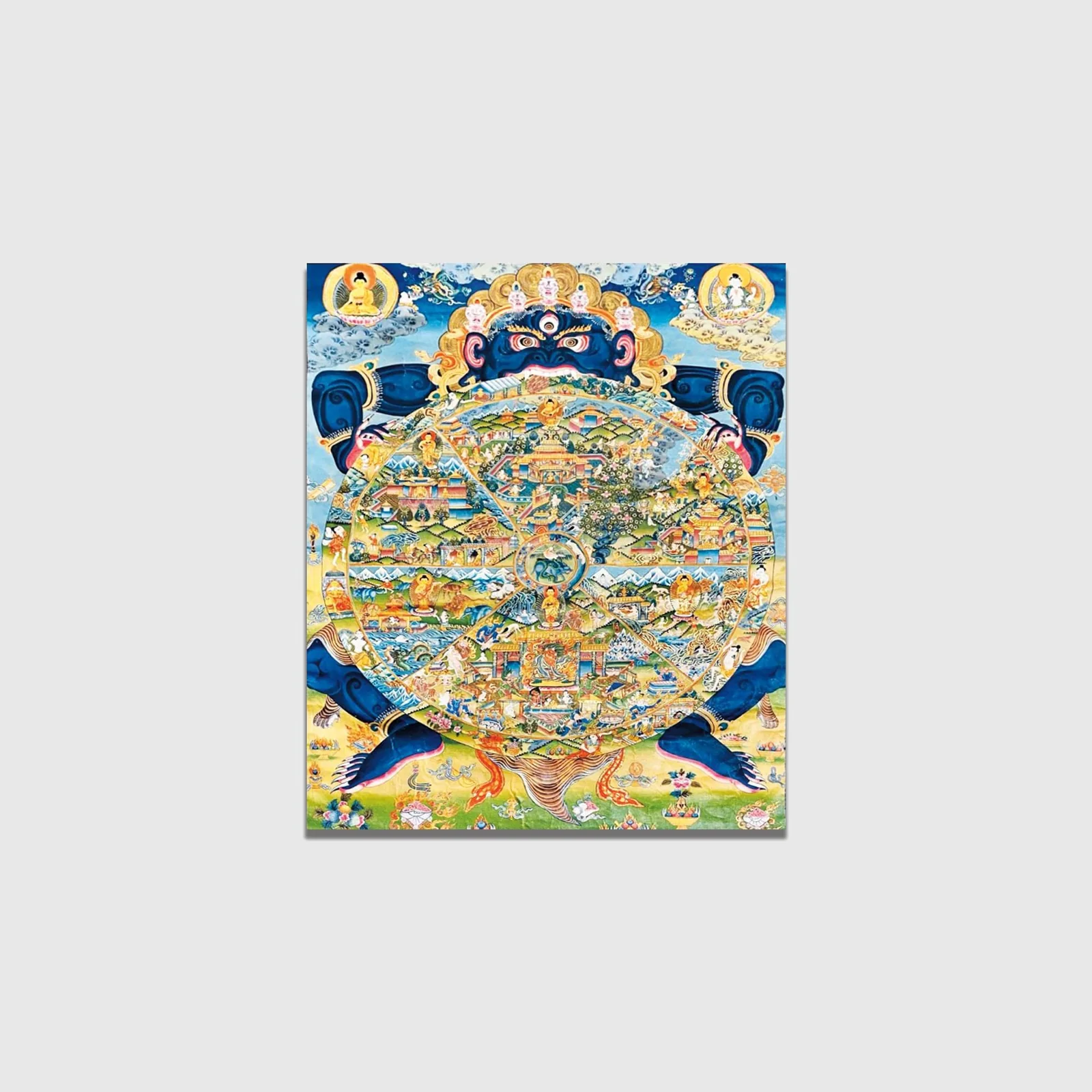
Works of art span Buddhist figures, thangkas, bronzes, carvings in bamboo, wood, ivory and horn, and scholar's objects. Figure value depends on subject, size, completeness of gilding and casting; thangkas on painting quality, mineral pigments and date.
Reviewed by the Heritage Global specialist team · Updated 2026-10
Chronology
From early wares to the modern market — the eras that define this category.
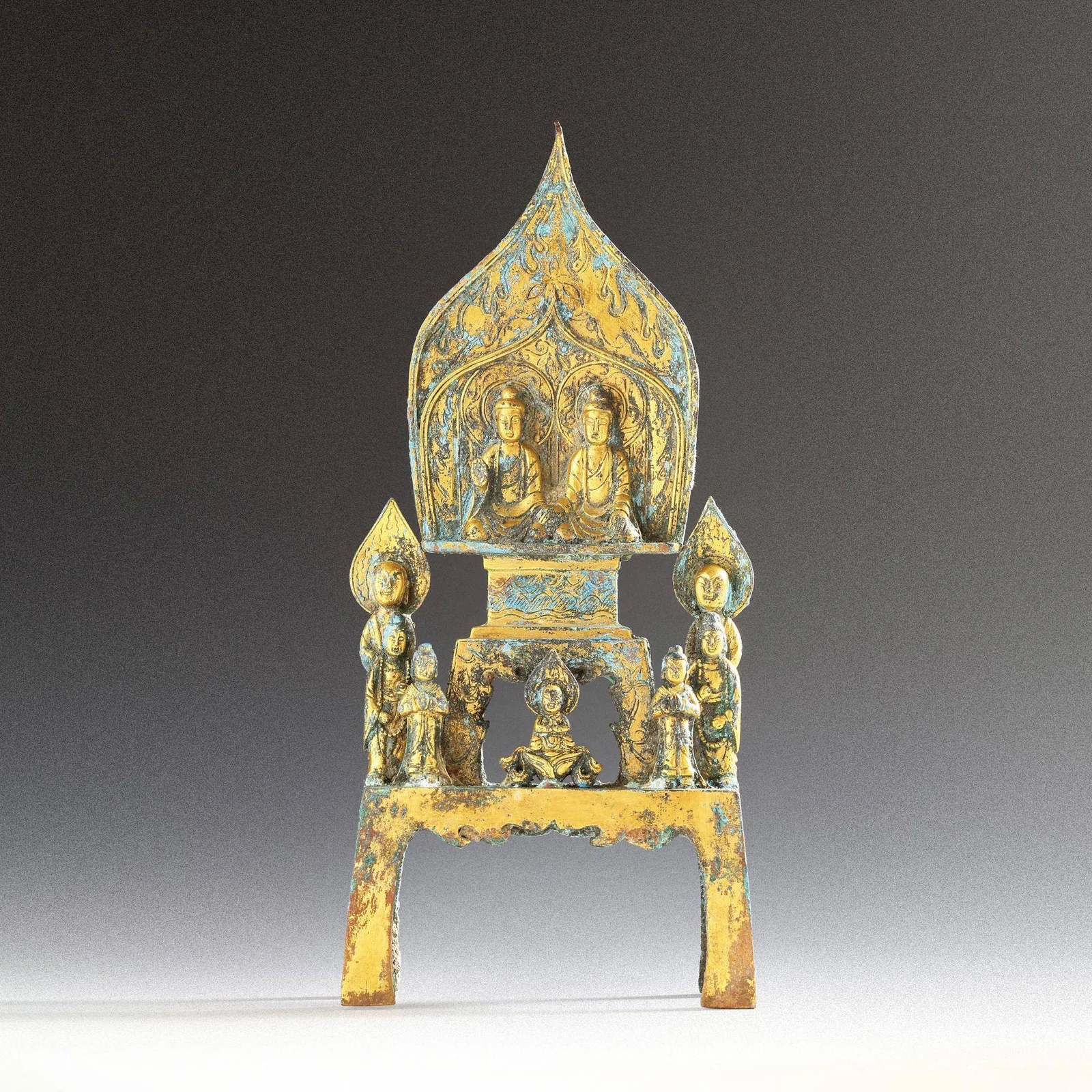
Sixteen Kingdoms to Northern Wei
Early gilt bronzes carry Gandharan and Gupta echoes — tall ushnisha, robe over both shoulders — before the Wei's sinified 'slim bones, pure countenance' style.
Sui–Tang — cosmopolitan fullness
Full-bodied figures with naturalistic drapery; the Chang'an style travelled as far as Nara, and gilt bronzes with stone sculpture mark the high period.
Song–Jin — wooden naturalism
Painted wood Bodhisattvas with naturalistic faces fetch record prices; bronzes turn slender and refined.
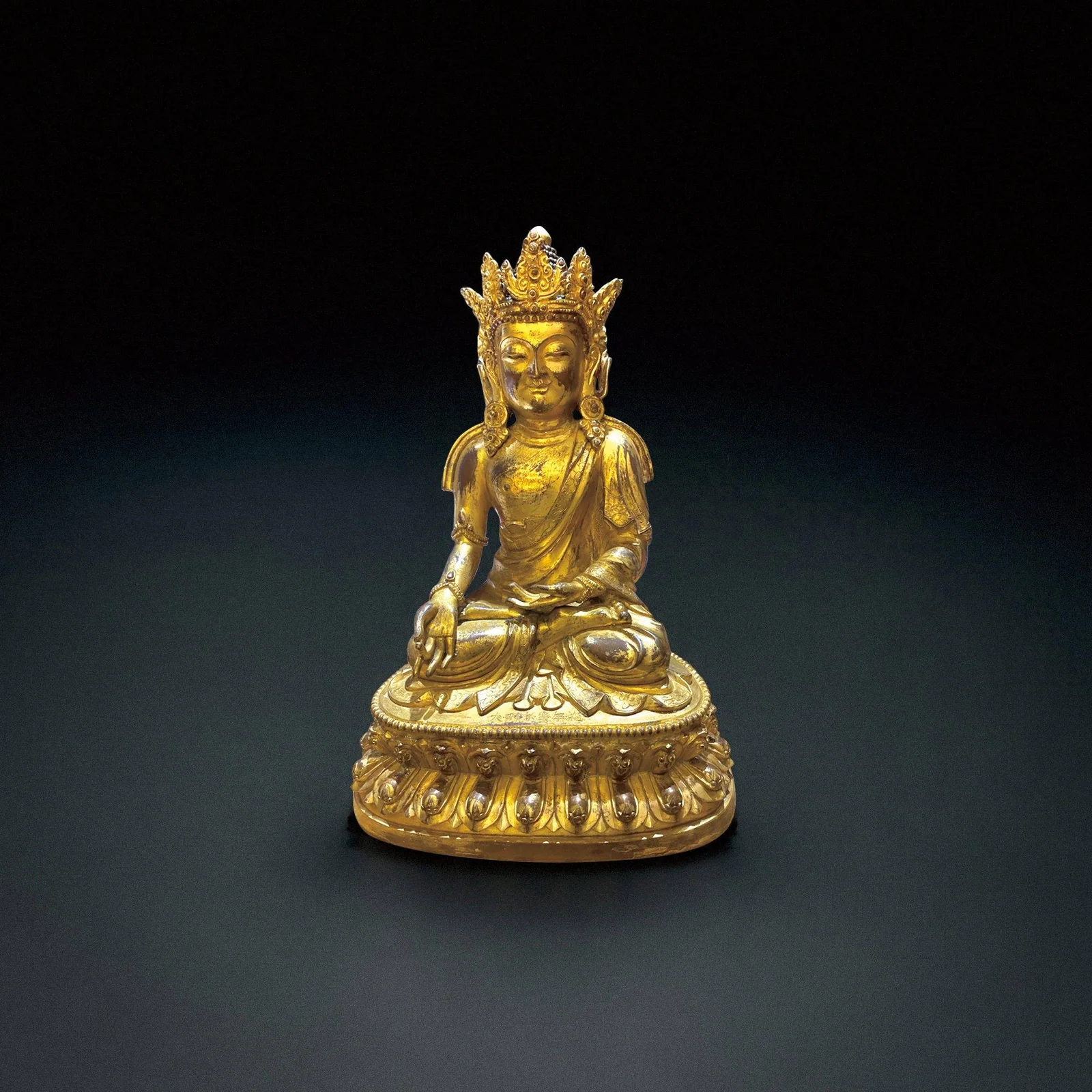
Yuan–Ming — Sino-Himalayan synthesis
The Nepalese master Anige brought Newar style to the Yuan court; Yongle and Xuande imperial works in red-gilt bronze with crisp lotus bases are among the firmest datings.
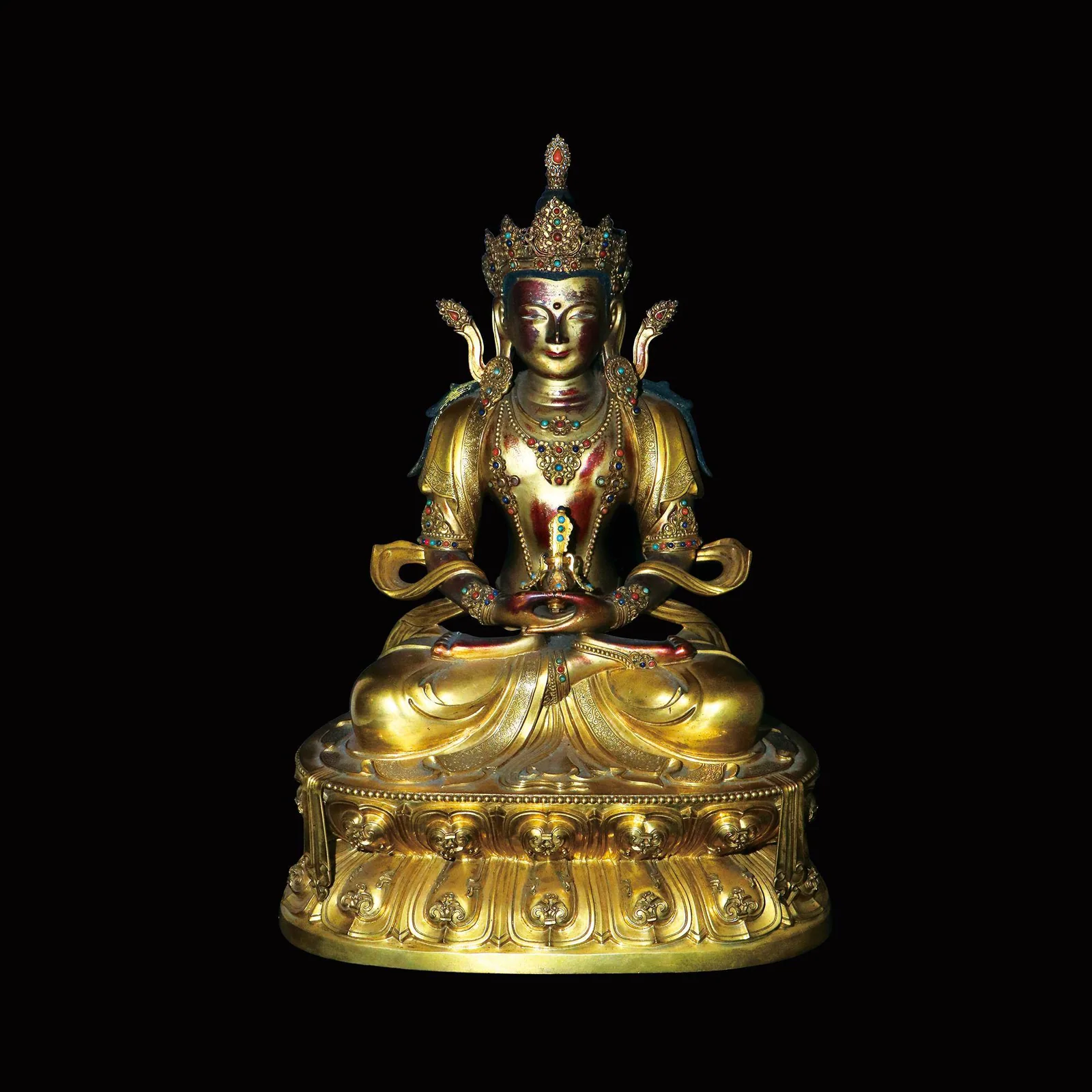
Qing — Kangxi and Qianlong courts
Court figures blend Chinese and Tibetan idioms, dated examples precise to the year; Zanabazar's Mongolian school, of great rarity, stands apart.
Masters & Workshops
The names, ateliers and schools that anchor authentication and value.
Anige (Arniko)
The Newar master summoned by Kublai Khan; his proportions shaped Yuan court sculpture, exemplified by the White Stupa of the capital.
Yongle–Xuande imperial Buddhist workshop
Ming palace gilt bronzes, uniformly marked 'Daming Yongle nian shi'; the standard against which Buddhist bronzes are priced.
Zanabazar
Seventeenth-century Mongolian prelate and master sculptor fusing Newar and Qing court styles; only about one hundred securely attributed works survive.
Menri and Karma Gadri schools
The two great thangka lineages — Menri severe and sumptuous, Karma Gadri airy with Chinese-style space; school identification is the first step in dating.
Frequently Asked
How are Buddhist figures dated?
By facial features, drapery treatment, thickness of gilding and alloy, along with base sealings and inscriptions — proportions and expressions differ markedly by period.
How should a thangka be stored?
Avoid humidity and direct light; keep rolled in a ventilated place, never folded or pressed.
How do I submit works of art?
Send six or more photographs covering the whole, details and base; photograph any inscription separately.
Ready to consign?
Send six or more photographs for an expert opinion and a reference estimate in HKD.